13 October, 2026 | 9:11 PM


At four, I used to sing The Shiv Tandav: Gadhvi
25-04-2026 12:00:00 AM
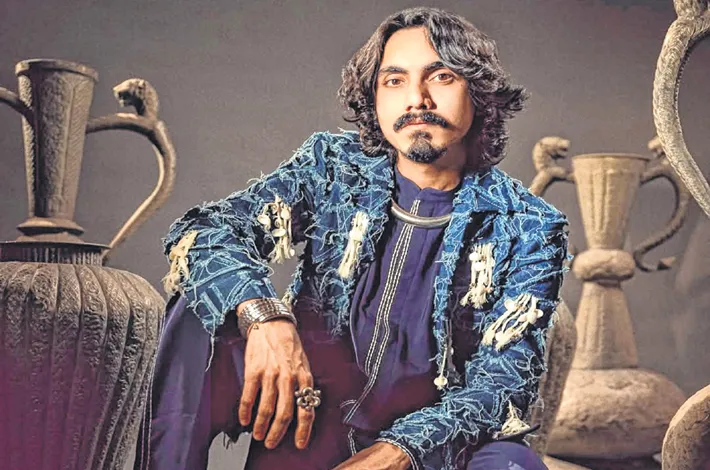
Gotilo singer Aditya Gadhvi opens up on folk roots, global fame, AR Rahman and stage energy
Anita Aikara
Aditya Gadhvi strongly believes that “music has the power to connect a soul to another soul.” His music brings in the raw emotions of folklore, and it’s the kind of tune that will transport you to the heart of Gujarat. From performing Dayro to taking center stage with Coke Studio’s Khalasi, credit goes to Aditya for making Gujarati folk music mainstream, and his songs blend folk and sufi along with modern elements.
“When I started, everyone used to sing Bollywood music,” he reveals in an exclusive interview with The Free Press Journal. “I’m also a fan of Bollywood music and have been listening to it since my childhood. I would attend music competitions where I’d sing Bollywood songs. But I come from a culture of folk music, and I never thought that my music, culture, poetry and the folk tradition of my Dayro would take me to this place.”
While many would say that Coke Studio’s Khalasi was the turning point in Aditya’s life, few know that two of his songs, Har Har Mahadev and Aygiri Nandini were shortlisted for the Oscar nominations in 2014. “That was the starting point for me,” he shares. “When I went to sing those two songs, I didn’t even know I was going to sing for a movie. After singing the songs, within 15 days, I got a call from them that our songs were shortlisted for the Oscar nomination.”
As for Gotilo, Aditya had no clue that it would turn out to be such a global trend. “I thought the Gujarati public would like it, but when I opened my Instagram, I saw reels from all over the world. That was the turning point for me,” he says with a smile.
For him, regional is the new global. His father is a folklorist and folk singer, and his grandfather is a poet. “Four generations of our family have been in the field of literature and music,” he exclaims. “At four, I used to sing the whole Shiv Tandav. When people would hear me, they would be astonished. At my home, I used to listen to these folk stories and songs, and would understand each line from my father and grandfather. I am blessed to be born in a family that gave me this art, music and tradition.”
In 2013, Aditya visited AR Rahman’s music institute in Chennai, and he stayed and studied there for four years. That stint gave him the opportunity to work with AR Rahman in his live shows.
“I used to sing with him in his Sufi shows. I performed with him all over the world, in Dubai, USA and different cities in India. That experience was one of the most amazing ones for me. I got to learn from the maestro himself.”
An introvert in real life, Aditya is quite a performer on stage. “People get confused when they meet me, because they tell me that when they see me on stage, I’m a different person, and backstage, I’m someone else.”
“I don’t know where that energy on stage comes from, but I feel people (the audience) give me that energy. The music I sing gives me that energy. Two-three hours of stage presence is like meditation for me. I feel connected to the divine when I am on stage. When I see people enjoying the music, connected to the words and emotions I try to narrate, that’s a divine experience,” he adds.