30 September, 2026 | 3:37 AM


Hello this is your heart speaking
30-09-2026 12:00:00 AM
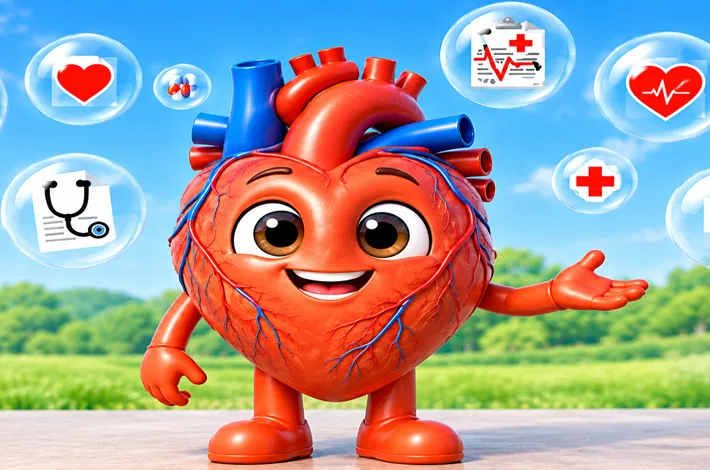
Metro India News | Hyderabad : A quiet message from the hardest-working muscle in the body is asking people to rethink the everyday choices that determine how well the heart survives and serves them. There is one worker inside the human body that never clocks out. It does not take weekends off, does not ask for holidays and does not stop when the rest of the body is asleep. It is the heart.
Imagine, for a moment, that the heart could speak. Its message would probably be simple: I have been working for you all your life. Please do something for me in return. Every minute, the heart contracts to send blood through a vast network of blood vessels, delivering oxygen and nutrients while carrying away waste.
At an average resting rate, the adult heart can pump several litres of blood every minute amounting to thousands of litres over a single day. Over a lifetime, it may beat billions of times.
That remarkable workload comes with a responsibility for the owner of the heart: protect it. One of the most practical things a person can do is move. A brisk 30-minute walk most days can add up to the recommended 150 minutes of moderate physical activity each week. Regular activity helps support cardiovascular fitness and also helps with weight, blood pressure and blood-sugar control.
Food matters just as much. A heart-friendly diet does not mean giving up carbohydrates altogether. Instead, health experts recommend a balanced diet built around vegetables, fruits, whole grains, pulses, nuts and other minimally processed foods, while limiting excess salt, unhealthy fats, free sugars and highly processed foods.
Keeping body weight within a healthy range can also reduce cardiovascular risk. High blood pressure, elevated blood glucose, abnormal cholesterol and overweight or obesity are important risk factors that can often be detected and managed before serious cardiovascular disease develops. Blood pressure, blood sugar and cholesterol should not be ignored simply because a person feels well.
Some cardiovascular problems can develop silently for years. Smoking is another issue the heart would undoubtedly want addressed. Tobacco use is a major cardiovascular risk factor, while harmful alcohol use also increases risk. Quitting tobacco and avoiding harmful alcohol consumption can make an important difference.
And then comes the part that cannot be measured by a blood test: life itself. Sleep well. Walk more. Eat sensibly. Spend time with family and friends. Talk, laugh and make room for moments of happiness. The heart does not demand perfection. It asks for care — one walk, one healthier meal, one health check and one better choice at a time. After all, the heart has been keeping its promise every day. Perhaps it is time we kept ours.
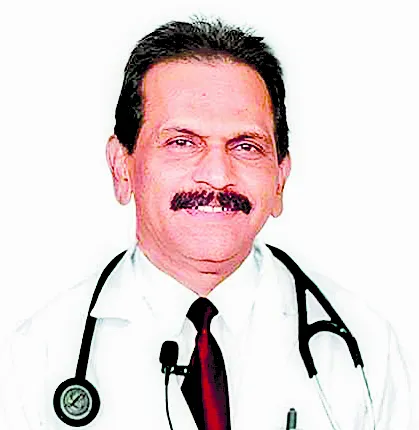
Prof. (Dr.) S. Vijay Mohan,
Former Professor & HoD, Dept. of Internal Medicine Deccan College of Medical Sciences