21 October, 2026 | 3:58 PM


Late detection is turning prostate cancer in Urban Areas
08-04-2026 12:00:00 AM
APRIL 7: Hyderabad is facing a widening gap in prostate cancer detection and preparedness, and the numbers are beginning to reflect the cost of that delay. Prostate cancer already accounts for nearly 6.9 percent of all cancers among men in the city, according to data from NIMS. At a broader level, Telangana is projected to record over 21,252 new cancer cases in men in 2026, contributing to an overall 46,762 cases across the state. Yet, screening rates remain critically low at under 4 percent. This mismatch between rising incidence and limited early detection is resulting in a large proportion of cases being diagnosed at advanced stages, where outcomes are significantly poorer.Hyderabad’s overall lifetime cancer risk, now estimated at 1 in 8 for individuals between ages 0 to 74, further underscores the urgency of strengthening early detection pathways.
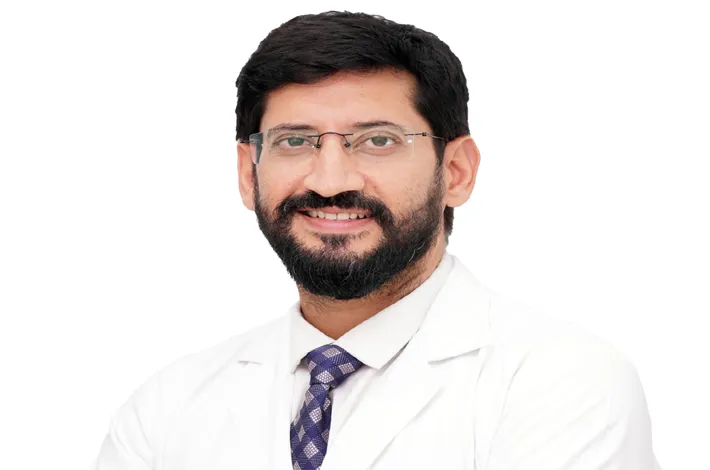
“Prostate cancer is not always aggressive in its early phase, which means there is a clear opportunity to detect it before it becomes life-threatening,” said Dr. Nikhil Suresh Ghadyalpatil, Director of Medical Oncology at Apollo Health City, Jubilee Hills. “What we are seeing instead is a pattern of delayed engagement. Symptoms are often ignored, and screening is not part of routine health behaviour. By the time patients come in, the disease has often progressed to a stage where treatment is more complex and outcomes are less favourable. A simple shift towards timely screening, especially for men above 50 or those with risk factors, can significantly change this trajectory.”
While advancements in treatment such as surgery, radiation, hormonal therapy, and precision approaches continue to improve survival, the larger opportunity lies in reducing late-stage diagnoses. With India’s overall cancer deaths projected to reach nearly 705,000 by 2026 and prostate cancer cases expected to rise further in the coming decades, Hyderabad’s current trajectory reflects a broader national challenge.