12 October, 2026 | 7:21 AM


Myths on Egg consumption busted
09-10-2026 12:00:00 AM
World Egg Day
Metro India News | Hyderabad
On World Egg Day on October 9, it is time to revisit one of the most debated foods in nutrition—and separate scientific evidence from decades-old myths. For many years, eggs were at the centre of a heated health debate. The phrase “an egg is a heart attack on a plate” captured the fear surrounding their cholesterol content. People were advised to avoid egg yolks, particularly those concerned about heart disease. Today, our understanding is far more nuanced.
Decades of research have shown that eggs are remarkably nutrient-dense. One egg provides approximately 6 grams of high-quality protein containing all nine essential amino acids, along with vitamins A, D, B6, B12 and E, biotin and minerals such as selenium and phosphorus. The yolk also contains important compounds including choline, lutein and zeaxanthin.
Eggs also provide highly bioavailable protein and leucine, supporting muscle protein synthesis. This becomes important with ageing, when sarcopenia can increase frailty and falls. Protein plus resistance exercise supports muscle and independence; two eggs may suit many healthy adults.
Eggs and insulin sensitivity
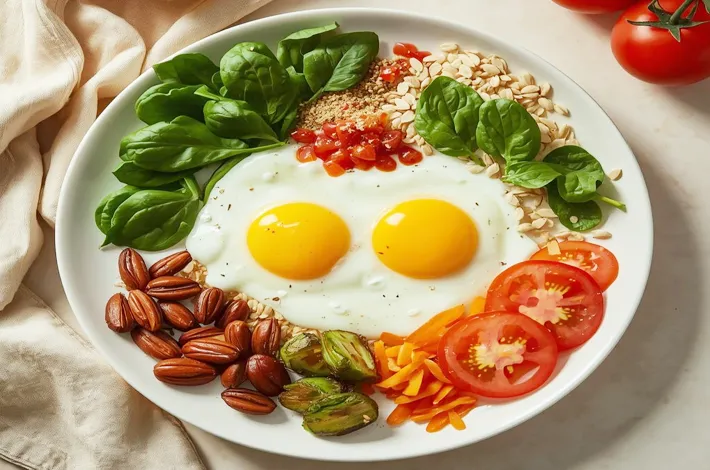
Eggs provide protein and fat with virtually no carbohydrates and can promote satiety when paired with vegetables and high-fibre foods. An egg-based breakfast may be preferable to refined or sugary foods. However, eggs alone do not increase insulin sensitivity; metabolic health depends on diet, body composition, activity, sleep and other factors.
Eggs and healthy ageing
Healthy ageing depends on maintaining muscle, cardiovascular and metabolic health, physical activity and adequate nutrition. Eggs provide quality protein, leucine, choline, vitamins and minerals that support these goals. For older adults, sufficient protein helps preserve muscle strength, mobility and independence in daily activities.
Eggs are optional, with tofu, soy, legumes, lentils, chickpeas, dairy and chia offering alternative protein sources. For many healthy adults, two eggs daily can fit a balanced diet, though needs vary by age, activity and health. Pair eggs with vegetables, whole grains and fibre rather than processed meats or refined carbohydrates. Rather than fearing eggs, consider how they fit within an overall balanced diet, especially alongside vegetables and high-fiber foods.
- Prof. (Dr.) S. Vijay Mohan
Former Professor & HoD, Dept. of Internal Medicine Deccan College of Medical Sciences