22 September, 2026 | 1:12 AM


NEET Fallout: Telangana’s paper leak saga
30-07-2026 12:00:00 AM
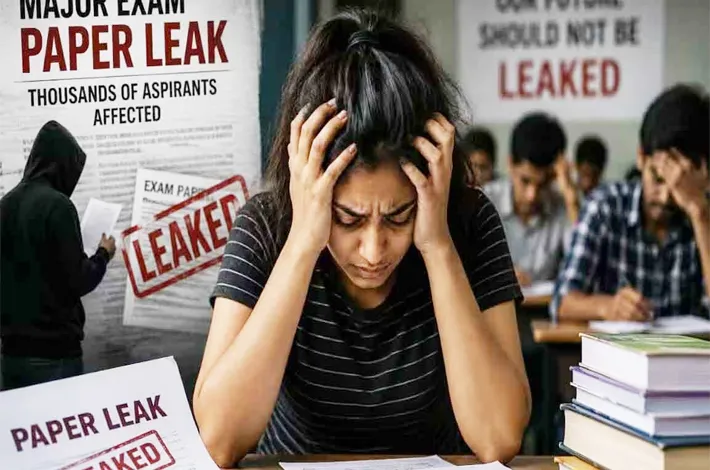
From EAMCET to TGPSC, a look at past exam scandals that shook aspirants and raised questions over transparency
metro india news I hyderabad
Question paper leaks have evolved from being mere examination management failures into a serious challenge to the credibility of governments and public institutions. While earlier such incidents were limited to inquiries and disciplinary action, today’s youth are directly questioning governments and taking to the streets. The large-scale protests following the NEET paper leak in Delhi serve as a warning that any compromise in examination systems can trigger widespread public anger.
Every examination, whether competitive or entrance-based, is linked to the hard work, dreams and future aspirations of lakhs of students and their families. Despite several incidents in the past, question paper leaks have continued to occur in undivided Andhra Pradesh as well as Telangana after state formation. Experts believe governments must learn lessons from such failures and ensure foolproof, transparent examination systems, failing which similar youth movements could emerge in different states.
Past incidents remain a grim reminder. Across the country, several major examinations have faced cancellations due to paper leaks. In undivided Andhra Pradesh, medical entrance examinations, EAMCET and other key tests were affected by such controversies. In 1997, a medical entrance examination paper was leaked through a Kolkata-based printing organisation. In 2009, the medical entrance paper leak in undivided Andhra Pradesh caused severe inconvenience to students. In 2014, the Andhra Pradesh PG Medical Entrance Test paper leak also affected thousands of candidates.
In 2016, the EAMCET question paper leak case created a major controversy. The CID arrested three accused who allegedly entered into an agreement worth Rs 15 crore with around 30 students and obtained the paper from a Delhi-based printing press 48 hours before the examination.
The 2019 Intermediate evaluation controversy also caused severe distress among students. Errors by Globarena Technologies in the evaluation process led to the deaths of 27 students during the previous BRS government’s tenure.
The Telangana Public Service Commission (TGPSC) paper leak case in 2023 became one of the biggest recruitment exam controversies in the state. Several examinations, including Group-I prelims, AE, AEE, DAO and Veterinary Assistant posts, were cancelled after the leak. Around 15 examinations were affected, impacting more than 9 lakh candidates. Nearly 2.3 lakh candidates had applied for one Group examination, while lakhs of others were forced to wait for fresh notifications.
The leak became a major controversy after allegations emerged that an employee of TGPSC had copied confidential question paper data into a pen drive. The Special Investigation Team (SIT) and Enforcement Directorate (ED) investigated the case. Candidates staged protests and political parties supported their demands, increasing pressure on the government. Even recently, the alleged circulation of a Class 10 question paper on WhatsApp during the Congress government’s tenure created political controversy.
Despite repeated incidents, governments have often responded with inquiries and assurances of strict action. However, the response of the youth has changed significantly. Today, any leak is highlighted on social media within hours, with students sharing evidence and questioning authorities. Student organisations are increasingly taking to the streets, arguing that their years of preparation and sacrifices cannot be undermined by corruption.
For many aspirants, competitive exams are not just tests but a pathway to a better future. Students spend lakhs of rupees on coaching and hostel facilities, often staying away from their families for years. A paper leak damages not only their career prospects but also their faith in government systems.
Experts stress that technology-based solutions and stronger security measures are essential to prevent leaks. Examination security should begin from the printing stage and continue until the question paper reaches the examination hall. Limited-time printing, digital security systems, strict monitoring of officials involved in the process and severe punishment for offenders are among the measures suggested to prevent malpractice.
The central government’s anti-paper leak legislation must also be implemented effectively to restore confidence among candidates, experts said. Telangana has around 30 lakh candidates registered under the TGPSC One Time Registration (OTR) system. However, only about 12 lakh candidates regularly apply for various government job notifications. Many of them spend years preparing, taking loans for coaching and accommodation while waiting for recruitment opportunities.
Repeated paper leaks are damaging not only the dreams of these aspirants but also public trust in governments. Analysts warn that failure to maintain transparency in examinations could have serious political consequences, as the youth are increasingly unwilling to remain silent over issues affecting their future.