24 September, 2026 | 11:56 PM


New alliances in BMC polls
31-12-2025 12:00:00 AM
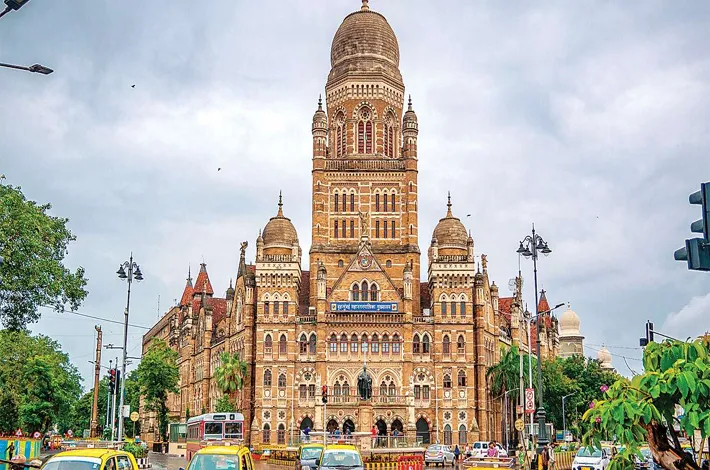
Clearly, the big prize in the forthcoming municipal elections is the BMC, and that has determined the alliances.
With barely two weeks left for the polling day for the elections to the Brihanmumbai Municipal Corporation (BMC), alliances have been furiously stitched across the political firmament in the past few days. The voter may be forgiven for being lost in the maze that has come to pass by way of these alliances between the parties. The fundamental question—which party should be considered the ruling party and which the opposition in India’s richest municipal corporation—is not clear. The BJP and the Shiv Sena, which jointly held power after the last election in 2017, have been on either side of the line since 2019, when Uddhav Thackeray broke away.
As the draw stands, the Congress finally stitched an alliance with the Vanchit Bahujan Aghadi led by Prakash Ambedkar; warring cousins Uddhav and Raj Thackeray brought their parties—Shiv Sena (UBT) and Maharashtra Navnirman Sena—together; the ruling Bharatiya Janata Party (BJP) decided, after some hesitation, to take Eknath Shinde’s Shiv Sena along, but Ajit Pawar’s National Congress Party—with which it also shares power in the state—is not a part of this formation; and the Congress and Sharad Pawar’s NCP were still negotiating. The Samajwadi Party and the All India Majlis-e-Ittehadul Muslimeen (AIMIM) have been barely discussed as significant allies in a non-BJP formation. Indeed, the pieces are all over the board, but the BJP-Shiv Sena combine, with Chief Minister Devendra Fadnavis and his deputy Eknath Shinde at the helm, starts out as favourites to bag the largest numbers of the 227 seats on offer.
In the last House, the undivided Shiv Sena and the BJP were in alliance with 84 and 82 seats, respectively. The BMC has been under the state administration since February 2022, when the elections were due but were postponed due to a host of reasons. Not only do the allegiances and battle lines of 2017 not hold good anymore, but the splintering of the Shiv Sena and the NCP, necessitating realignments at the state level in 2022, also falls irrelevant. Ajit Pawar, for instance, decided to go solo in the BMC elections but has tied up with his uncle Sharad Pawar’s party for elections in other cities of Maharashtra. The Thackeray cousins have been guarded about alliances outside Mumbai.
Clearly, the big prize in the forthcoming municipal elections is the BMC, and that has determined the alliances—some of convenience, others of survival. The Thackerays, for instance, are in survival mode. The NCP, even as a united party, was irrelevant to winning the tally in Mumbai with a paltry 14 seats in 2007, seven in 2012 and nine in 2017. The Congress, however, has seen a sharp decline over these elections, from 75 in 2007 to barely 31 in 2017. Joining hands with Ambedkar’s VBA may help resurrect it. The perplexing matrix of alliances, along with the redrawing of ward boundaries across Mumbai, will not make this election an easy one, given that each alliance will hardly have significantly different visions for Mumbai.