4 October, 2026 | 12:35 AM


Papanna’s legacy must inspire Bahujans to seek political power
19-08-2026 12:00:00 AM
Vote, not the sword, is the weapon today; Assemblies and Parliament are the new citadels of power, says former DGP J. Purnachandra Rao
Metro India News | Hyderabad
Papanna’s Legacy Can Inspire Bahujan Political Unity: Rao
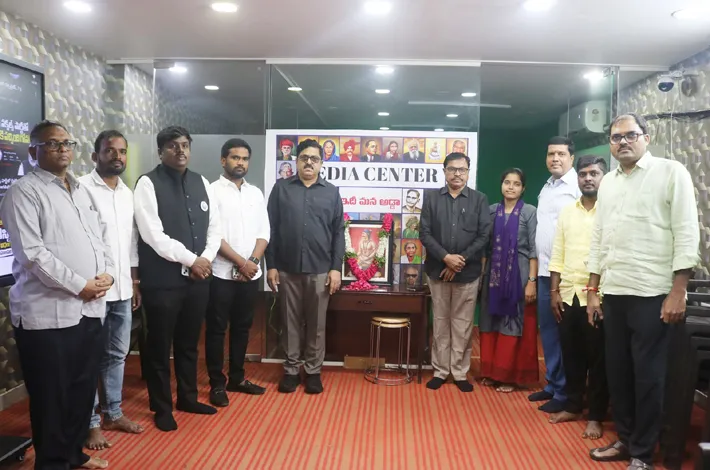
Former Director General of Police J. Purnachandra Rao, National Coordinator of the All India Bahujan Samaj Party (AIBSP), on Tuesday called upon Backward Classes, Scheduled Castes, Scheduled Tribes and Muslims to draw inspiration from Sardar Sarvai Papanna Goud and convert their numerical strength into democratic political power. Speaking at a programme at the Media Centre, Lakdikapool, to mark Papanna Goud Jayanthi, Dr. Rao said Papanna’s significance lay not only in his military achievements but also in his rise from a toddy-tapper family and his mobilisation of marginalised communities against the feudal order of his time. The programme was presided over by BC Samaj president Sangem Surya Rao. AIOBCSA national president G. Kiran Kumar and others also spoke.
Papanna’s Model of Unity
Dr. Rao said Papanna challenged the jagirdari, deshmukhi and landed-revenue structures associated with Mughal rule rather than any particular caste or community. He said historical accounts and ballad traditions associated with Papanna describe a socially diverse group of followers, including occupational communities, tribal groups and Muslims. “Papanna brought together occupational communities, tribal groups and Muslims. Their castes, professions and religions differed, but he united them against an oppressive power structure. That is the model the Bahujan movement must learn from today,” he said.
Referring to historian Richard M. Eaton’s work, Rao said Papanna’s movement involved rural occupational groups, Muslims and marginalised communities.
‘Vote Is Today’s Weapon’
Drawing a parallel with the present, Rao said forts represented political power during Papanna’s era, while Assemblies, Parliament and Cabinets represent power in a democracy.
“In Papanna’s time the spear and sword were weapons. In a democracy, the weapon is the vote,” he said, calling for BCs, SCs, STs and Muslims to work together to secure political representation through constiJustice and Representation Rao sought an early resolution to the demand for Scheduled Caste status for Dalit Christians and urged implementation of constitutional protections for Adivasis, including their rights over land, forests and self-governance.