6 October, 2026 | 6:11 AM


Political power possible only through voter awareness
12-08-2026 12:00:00 AM
Metro India News | Hyderabad
A meeting titled “Social Justice Struggle Meeting for the Achievement of BC Rights” was held in Nalgonda district on Sunday, with speakers focusing on the political representation of Backward Classes (BCs) and the gap between their population share and presence in elected bodies. According to data presented at the meeting, BCs won only 19 of the 194 Assembly seats contested across the last 16 elections in Nalgonda district, accounting for just 9.65 per cent of the total.
The meeting further noted that although BCs comprise 134 castes, representatives from only four BC communities have entered the Legislative Assembly while Velamas won 13 seats, Brahmins nine, Kammas five, Rajas one and Vaishyas one.
These communities were collectively said to have secured 127 of the 194 seats, or approximately 65.5 per cent. Yadavas, who were cited as constituting 11.82 per cent of the population, won eight Assembly seats, Gouds, with a reported population share of 9.55 per cent won seven seats, while Padmashalis won three and Kurmas one.
Why Are BCs Not Translating Population Strength into Political Power?
The speakers said the political under-representation of BCs cannot be attributed to a single factor. They identified that BC voters frequently prioritize party affiliation, individual leaders, local relationships, welfare programs and election promises over the social background of candidates. This, the speakers argued, has transformed the BC vote into more of a “party vote” than a collective community vote. The meeting also stressed that BCs are not a homogeneous community but comprise numerous castes and occupational groups with different local interests and political affiliations.
Leadership and Political Awareness
The meeting argued that BC communities have no shortage of capable individual leaders but lack sufficient collective political leadership. According to the speakers, leaders from different BC communities need to come together around a common social and political agenda rather than functioning primarily along caste or party lines. The meeting emphasized voter awareness as a key component of political empowerment. Speakers urged BC voters to examine candidates based on their positions on social justice, BC rights and political representation rather than being influenced solely by money, caste considerations, media campaigns or short-term inducements.
Gen Z Urged to Take Up Social Justice Issues
The role of Generation Z in the social justice movement was another major theme of the meeting. Speakers said smartphones and digital technology have made information accessible within seconds, but urged young people to use these tools to learn about their own communities, histories and social conditions.
Young people were encouraged to examine the history of their ancestors, traditional occupations and the reasons behind continued educational, economic and political backwardness. The speakers called upon Gen Z to document the history of villages, traditional occupations and the contributions of earlier generations and bring these stories to wider public attention.
- T. Chiranjeevulu
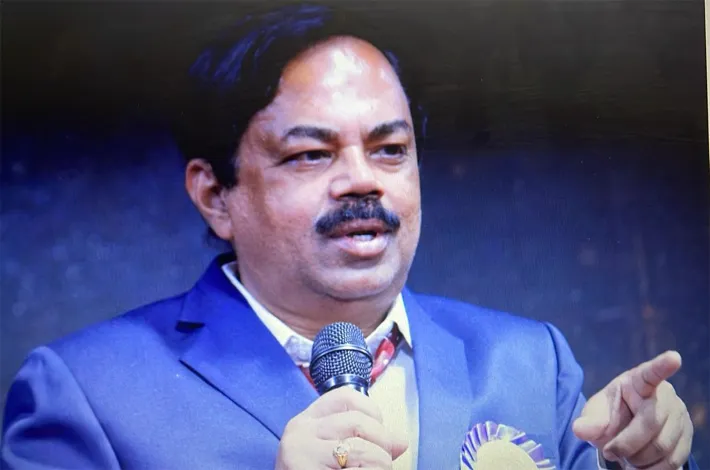
The author is retired IAS officer and Chairman of BC Intellectuals Forum Hyderabad