20 September, 2026 | 11:17 PM


The rise of Gen Z politics
27-07-2026 12:00:00 AM
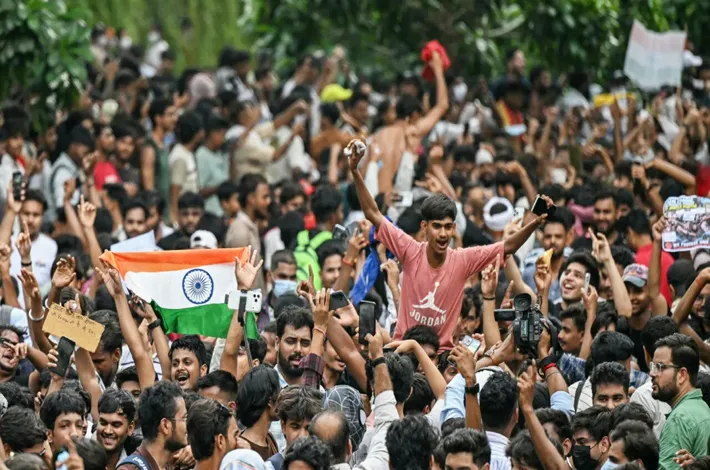
The youth are changing the grammar of politics and defining how it will be played
The Times They Are a-Changin'
- Youngsters are coming together beyond caste, religion and regional identities
- Online campaigns, digital discussions and public reactions from youngsters are increasingly shaping election narratives
- A proposal to reduce the minimum age for contesting Assembly and Lok Sabha elections from 25 years to 21 years has gained momentum
- From utilising youngsters for campaigning, social media activities, parties will look to field young leaders in elections
metro india news I hyderabad
The next big shift in Indian politics could come from Generation Z, as the country’s young population is emerging as a powerful force capable of influencing elections, policies and political leadership. With youth increasingly raising their voices on social, economic and governance issues, political parties across the country are now focusing on attracting Gen Z voters and creating space for young leadership.
From Swami Vivekananda’s message of awakening youth power to poet Sri Sri’s call to move forward and Dr APJ Abdul Kalam’s vision of youngsters thinking differently and shaping the nation, leaders have consistently highlighted the importance of youth in building India’s future. Today, the same spirit is visible among a new generation that wants a greater role not only in choosing governments but also in becoming part of the decision-making process.
Recent youth-led movements have demonstrated the growing influence of Gen Z. The protest movements that gained attention in the national capital reflected how youngsters are coming together beyond caste, religion and regional identities to raise issues affecting them. The developments have forced political parties to acknowledge that young citizens are no longer just a vote bank but a powerful voice capable of influencing political discourse.
Political observers believe that youth interest in politics has increased significantly, with many youngsters demanding direct participation in governance and policy-making. This has led to discussions on providing more opportunities for young people to enter electoral politics.
In this context, a proposal to reduce the minimum age for contesting Assembly and Lok Sabha elections from 25 years to 21 years has gained momentum. At present, citizens can vote at the age of 18, but they have to wait until 25 to contest elections. Supporters of the proposal argue that a young voter should also have the opportunity to become a representative at an early age.
If implemented, the proposal could open a new path for Gen Z to enter politics. Student leaders, young activists and emerging leaders from social movements could get an opportunity to contest elections much earlier. Experts believe this could bring fresh perspectives into legislatures, especially on issues such as education, employment, startups, digital economy, artificial intelligence, innovation and skill development.
The growing influence of young voters has already forced political parties to change their strategies. The 18-29 age group has become a decisive factor in several constituencies, with the ability to influence victory and defeat. As a result, parties are redesigning their manifestos, campaigns and communication strategies to match the expectations of young voters.
Social media has further strengthened the political influence of Gen Z. Online campaigns, digital discussions and public reactions from youngsters are increasingly shaping election narratives. Political parties are now focusing on building stronger connections with young audiences through digital platforms.
The changing political environment is also reflected in recent developments. Chief Minister Revanth Reddy’s remarks supporting a reduction in the age limit for contesting elections, BRS working president KTR’s participation in a Gen Z protest programme and RSS chief Mohan Bhagwat’s comments on addressing youth concerns indicate the growing importance of young voices in politics.
The possibility of lowering the contesting age could also bring major changes within political parties. Until now, many parties have largely utilised youngsters for campaigning, social media activities and youth wing programmes. However, the proposed reform could encourage parties to directly field young leaders in elections.
Young leaders from student organisations, youth wings, social movements and those who have built public support through digital platforms may get greater opportunities for party tickets. Urban constituencies, universities, IT hubs and areas with a high number of first-time voters could see increased preference for young candidates.
Political analysts believe the move could accelerate a leadership transition within parties. While senior leaders currently dominate decision-making structures, increased youth participation may create more space for a new generation of leaders.
With India having one of the largest youth populations in the world, greater representation of young people in legislatures could bring more attention to issues directly connected with their lives. Youth leadership could also strengthen democratic participation by transforming student movements and social campaigns into political platforms.
The proposed reduction in the minimum contesting age is therefore being viewed not merely as a change in electoral rules but as a possible turning point in Indian politics. As Gen Z moves from being a powerful voter group to becoming a potential leadership force, political parties may have to adapt to a new era where young India plays a decisive role in shaping the country’s future.