18 October, 2026 | 1:02 PM


World pushes back on Trump Hormuz threat
14-04-2026 12:00:00 AM
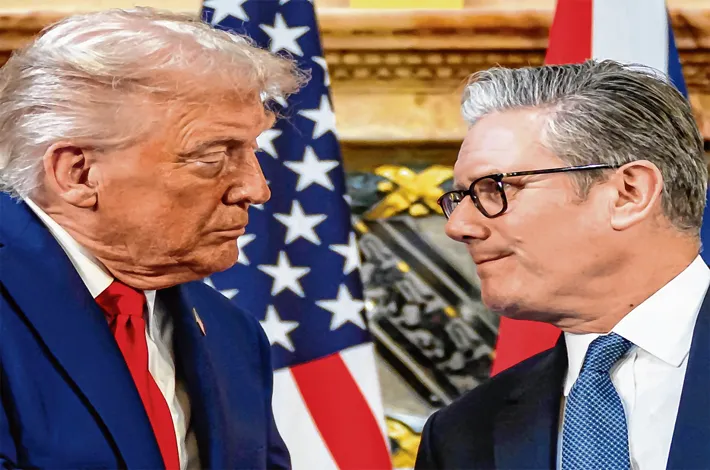
DIFFERENT STROKES | Britain leads dissent on blockade plan, refuses to be ‘dragged into war’; France, Oz seek strait opening
Agencies LONDON
Major powers on Monday pushed back against US President Donald Trump’s threat to impose a blockade in the Strait of Hormuz, warning it could widen the conflict and jolt global energy markets.
BRITAIN: Leading the response, PM Keir Starmer said the UK would not join any such move. Speaking to BBC radio, Starmer said, “we’re not supporting the blockade” and “we’re not getting dragged into the war.”
He said the UK’s focus remained on reopening the vital waterway. Responding to Trump’s claim that Britain could send minesweepers, Starmer indicated London may assist in mine-clearing — but only after hostilities cease. “Our efforts are about making sure the strait is open and secure,” he said. The UK instead backed coordinated maritime security efforts with partners, including France, to safeguard navigation.
FRANCE: President Emmanuel Macron said Paris would co-host, with London, a conference of countries willing to support a “strictly defensive” multinational mission to restore strait navigation. “This strictly defensive mission, separate from the warring parties to the conflict, is intended to be deployed as soon as circumstances permit,” he said on X.
AUSTRALIA: PM Anthony Albanese called for the strait to remain open, adding the US had not sought Canberra’s support for any blockade. “What we want to see is negotiations continue and resume. We want to see an end to this conflict. We want to see the Strait of Hormuz opened for all. We want to see freedom of navigation as required by international law as well,” he said.
ASEAN: Foreign ministers of the 11-member bloc urged Washington and Tehran to pursue peace talks, enforce a ceasefire and restore safe passage for ships, seafarers and aircraft. They stressed “the obligations of all states to resolve their differences through peaceful means, to respect the sovereignty and territorial integrity of all nations, to protect civilians and civilian infrastructure in armed conflicts.”
GERMANY: Chancellor Friedrich Merz said the US-Iran talks in Islamabad were poorly prepared. “I was not surprised by the decision to break off the talks… From the very beginning, I didn’t get the impression they were really well prepared,” he said.
RUSSIA: Russian Foreign Minister Sergei Lavrov is set to visit Beijing on Tuesday for talks with Chinese leaders on the escalating West Asia crisis. He will visit Beijing at the invitation of Foreign Minister Wang Yi, Chinese Foreign Ministry spokesperson Guo Jiakun said.
Pakistan: PM Shehbaz Sharif said efforts were on to resolve the US-Iran conflict. “The ceasefire is holding and, as I speak, full efforts are under way to resolve the outstanding issues,” Sharif told his cabinet.