5 October, 2026 | 7:34 PM


‘Afg commandos’ asylum claims blocked in UK’
18-02-2025 12:00:00 AM
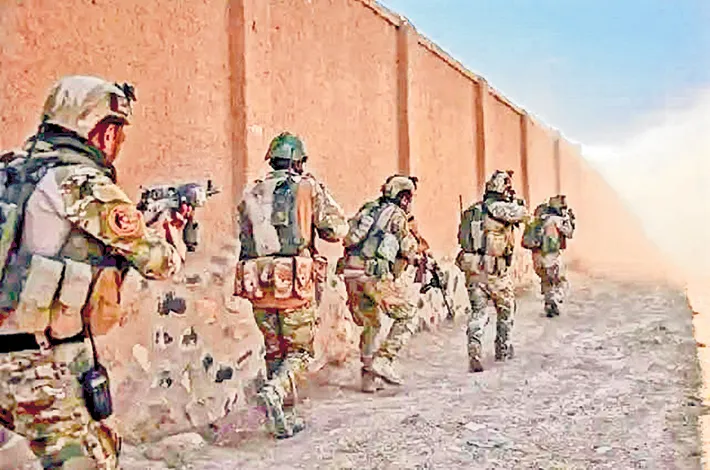
Afghan commandos who fought alongside UK’s SAS and SBS
Agencies WASHINGTON
UK Special Forces command rejected resettlement applications from more than 2,000 Afghan commandos who had shown credible evidence of service in units that fought alongside the SAS and SBS, the Ministry of Defence has confirmed for the first time.
UK Special Forces officers appear to have rejected every application from a former Afghan commando referred to them for sponsorship, despite the Afghan units having fought with the British on life-threatening missions against the Taliban.
The MoD had previously denied there was a blanket policy to reject members of the units - known as the Triples, but the BBC has not been able to find any evidence that UK Special Forces (UKSF) supported any resettlement applications. Asked if UKSF had supported any applications, the MoD declined to answer the question.
The Triples - so-called because their designations were CF 333 and ATF 444 - were set up, trained, and paid by UK Special Forces and supported the SAS and SBS on operations in Afghanistan. When the country fell to the Taliban in 2021, they were judged to be in grave danger of reprisal and were entitled to apply for resettlement to the UK.
The rejection of their applications was controversial because they came at a time when a public inquiry in the UK was investigating allegations that Special Forces had committed war crimes on operations in Afghanistan where the Triples were present. The inquiry has the power to compel witnesses who are in the UK, but not non-UK nationals who are overseas.
If resettled, former members of the Triples could be compelled by the inquiry to provide potentially significant evidence. BBC Panorama revealed last year that UK Special Forces command had been given veto power over their resettlement applications and denied them asylum in Britain. The revelation caused a wave of anger among some former members of the SAS and others who served with the Afghan units.
The MoD initially denied the existence of the veto, but then-Defence Minister Andrew Murrison was later forced to tell the House of Commons the government had misled parliament in its denials. The confirmation of the more than 2,000 rejections emerged in court hearings earlier this month.