20 October, 2026 | 11:05 PM


Aluminium deficit to persist, ING warns
24-06-2026 12:00:00 AM
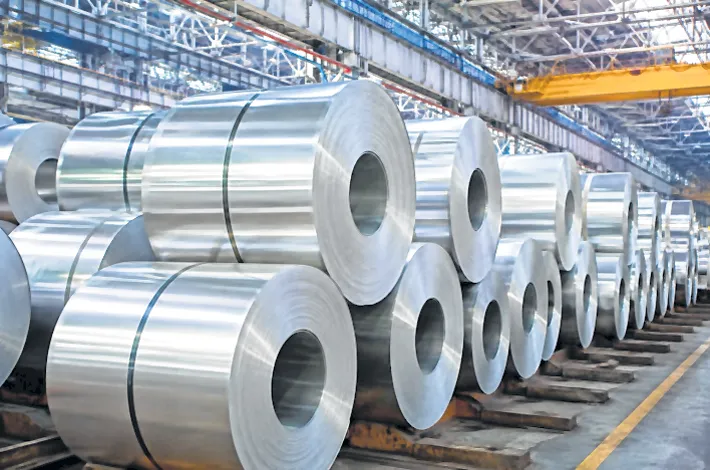
West Asia tensions may have eased, but aluminium markets remain tight as supply losses persist, keeping deficit concerns and prices elevated globally
Global aluminium markets are expected to remain tight despite easing geopolitical tensions in West Asia, according to ING Economics. The brokerage said supply losses caused by the conflict continue to weigh heavily on market balances, keeping the metal in deficit.
Iran and the United States recently signed a preliminary memorandum of understanding, while an extended ceasefire has reduced fears of further supply disruptions. This has lowered concerns around aluminium production and shipping routes in West Asia, a region that accounts for nearly 9% of global primary aluminium output.
However, analysts believe the easing of tensions will not immediately restore lost production. ING estimates that around 3 million tonnes of aluminium supply has already been removed from the global market due to the conflict. Commodity strategist
Ewa Manthey said the global aluminium market is still projected to face a deficit of 1.8 million tonnes in 2026. She noted that aluminium smelters are built to run continuously, making restarts slow, expensive and technically difficult.
Higher exports from China have provided partial relief. Chinese aluminium exports rose 15% year-on-year to 598,000 tonnes in April and increased another 16% to 630,000 tonnes in May.
Even so, these additional shipments remain insufficient to offset supply losses from West Asia. ING also said future supply growth remains constrained, as Chinese output is already near government capacity limits, while expected production growth from Indonesia remains limited.
Although easing conflict may reduce aluminium’s geopolitical risk premium, prices are expected to stay firm due to tight inventories and persistent supply shortages. ING maintained its aluminium price forecast at $3,500 per tonne for the third quarter of 2026 and $3,400 per tonne for the fourth quarter.