5 October, 2026 | 7:55 AM


AP Court bars foreign-returned priests from sanctum duties
06-04-2026 12:00:00 AM
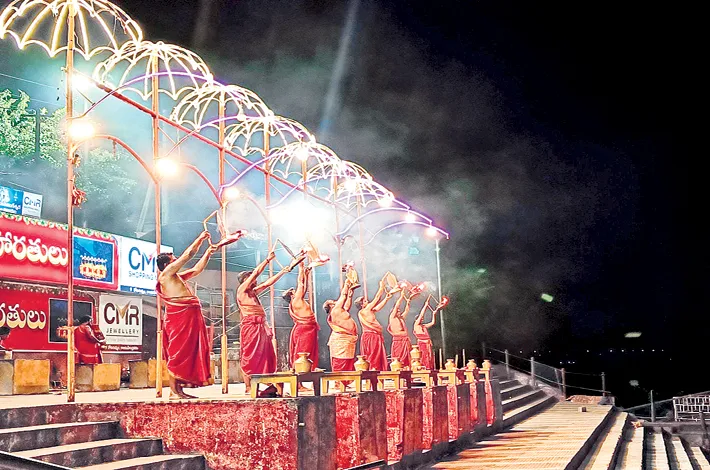
As per Sringeri Peetham guidelines, only those adhering to strict spiritual discipline, such as performing thrice-daily sandhyavandanam, maintaining Vedic study, following prescribed dietary norms, and observing ritual purity, are eligible to conduct sanctum pooja
metro india news I amaravati
In a significant ruling with far-reaching implications for temple administration, the Andhra Pradesh High Court directed authorities not to allow the priests who travelled abroad to perform rituals inside temple sanctums (garbha alayam). The court ordered strict enforcement 0 Agama Shastra principles, guidelines issued by the Sringeri Sharada Peetham, and existing circulars of the Endowments Department.
Justice Nimmagadda Venkateswarlu issued the final orders on March 30 while disposing of a Public Interest Litigation filed by D.S.S.S. Subrahmanya Somayaji, a ritual practitioner associated with the Sri Durga Malleswara Swamy temple in Vijayawada. The petitioner contended that established religious norms and a 2010 Dharmika Parishad circular were not being properly implemented in temples across the state.
Arguing the case, counsel for the petitioner stated that priests are generally not permitted to travel abroad under traditional rules. Even in exceptional circumstances, those who travel overseas lose eligibility to perform pooja inside the sanctum upon return. Such individuals may only participate in rituals conducted outside the sanctum premises.
The court was informed that, as per Sringeri Peetham guidelines, only those adhering to strict spiritual discipline, such as performing thrice-daily sandhyavandanam, maintaining Vedic study, following prescribed dietary norms, and observing ritual purity, are eligible to conduct sanctum pooja. It was further submitted that priests who deviate from these practices, including those who adopt practices contrary to tradition during foreign travel, may be deemed ineligible.
Responding to these submissions, counsel for the Endowments Department assured the court that decisions would be aligned with the established guidelines and departmental circulars. Taking note, the High Court directed the Principal Secretary and Commissioner of the Endowments Department to ensure mandatory implementation of these norms across all temples.
The ruling is expected to have a significant impact on priest appointments and ritual practices in Andhra Pradesh temples, reinforcing adherence to traditional religious codes while tightening administrative oversight.