17 October, 2026 | 7:44 AM


Shame on Telugus
14-07-2026 12:00:00 AM
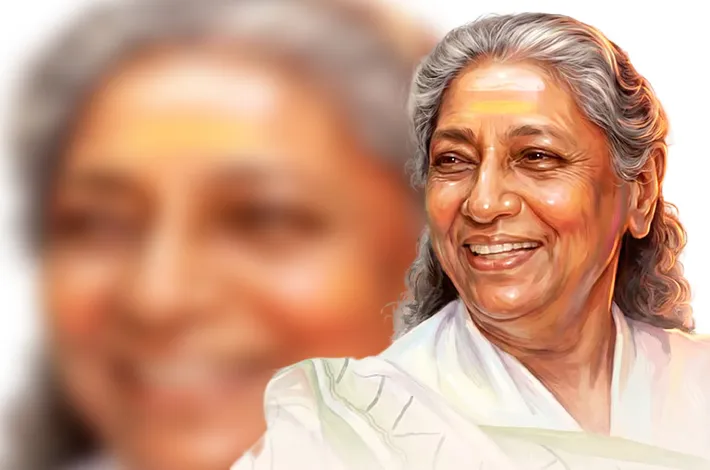
A farewell that failed a Telugu Voice
While Karnataka accorded her full state honours with public tributes and a dignified farewell, her native Telugu-speaking regions have faced criticism for their muted response
V J M Divakar
The passing of legendary playback singer S. Janaki, fondly known as Janaki Amma, has reignited conversations on regional pride, cultural reciprocity and the shared musical heritage of South India. The iconic singer, who recorded over 48,000 songs in multiple languages, passed away in Mysuru on July 11, 2026, at the age of 88.
Karnataka bid her a grand farewell with full state honours. Her mortal remains were kept for public homage at Maharaja's College Grounds before cremation at her family farmhouse in Kaniyanahundi. Thousands of admirers gathered to sing her timeless melodies, while music legends including Ilaiyaraaja, Hamsalekha, P. Susheela and K. J. Yesudas paid their respects.
Janaki was celebrated across Kannada, Tamil, Telugu and Malayalam cinema for her impeccable diction and emotional depth, seamlessly adapting to every language she sang in. Her extraordinary six-decade career earned her four National Film Awards and numerous state honours.
Born on April 23, 1938, in Pallapatla village near Repalle in present-day Andhra Pradesh, Janaki spent much of her childhood in Sircilla, now in Telangana. Inspired by devotional music at the Vemulawada temple from the age of five, she nurtured a voice that would become one of South India's most cherished musical legacies.
South India's film industries have long flourished through artistic collaboration across languages, and S. Janaki embodied that spirit. Her voice transcended linguistic boundaries, making her a cultural icon across the region. Karnataka's decision to accord her full state honours, despite her Telugu origins, underscored a commitment to celebrating shared artistic heritage.
Tributes poured in from personalities including Rajinikanth, Chiranjeevi, and Prime Minister Narendra Modi, reflecting the enduring admiration she commanded nationwide. These personal tributes, however, contrasted with the limited institutional response from her home states.
Many believe Andhra Pradesh, Telangana and the Telugu film industry can still honour her legacy through lasting initiatives such as annual musical tributes, awards in her name, or naming a cultural institution after her in Guntur or Sircilla. Such gestures would celebrate not only Janaki's extraordinary contribution but also the shared cultural bonds that define South Indian cinema.
Her passing is a reminder that great artists belong to every audience they touch. The most meaningful tribute now is to preserve, celebrate and pass on the timeless music of a singer whose voice united generations across southern India.
Muted response from Telugu States
Despite her deep Telugu roots, the response from Andhra Pradesh and Telangana has drawn criticism. Official tributes were largely confined to social media, with no ministerial representation at her funeral in Mysuru. The absence of prominent Telugu film personalities stood in sharp contrast to the tributes from Karnataka, Tamil Nadu and Kerala, sparking debate over whether one of Telugu cinema's greatest voices received the recognition she deserved.
Observers attribute this to changing priorities within the Telugu film industry, where contemporary, star-driven narratives often overshadow the legacy of artists whose careers shaped multiple generations. As South Indian cinema has become more region-centric, the shared cultural heritage once nurtured through cross-language collaborations appears to have weakened.
For many fans, the muted response represented a missed opportunity to celebrate an artist whose Telugu songs remain an integral part of the region's cultural identity. The disappointment was amplified on social media, where discussions quickly shifted from celebrating Janaki's extraordinary legacy to comparisons with contemporaries such as P Susheela. Admirers argued that the moment called not for rivalry, but for collective remembrance of a singer whose voice transcended language, state boundaries and generations.