10 October, 2026 | 5:28 AM


AP rolls out automated vehicle fitness testing; concerns over costs & oversight
20-04-2026 12:00:00 AM
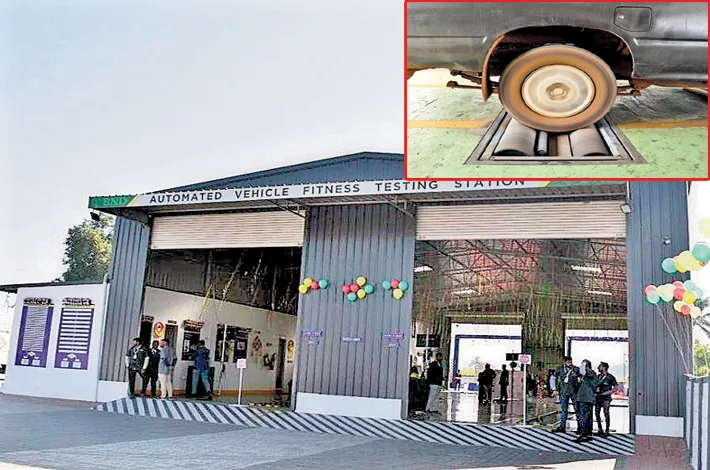
Metro India News | AMARAVATI
The Andhra Pradesh government has initiated a major shift in vehicle fitness certification by introducing private automated testing centres (ATS) for transport vehicles, replacing the traditional manual inspections conducted at Regional Transport Offices (RTOs). The move, part of a statewide policy aligned with Central Motor Vehicles guidelines, aims to bring transparency, reduce human intervention, and improve road safety standards.
As part of this transition, vehicle owners in Prakasam and Markapur districts have been issued notices directing them to undergo fitness tests at the KP Enterprises Automated Testing Centre in Annangi village, Maddipadu mandal, starting April 9, 2026. Vehicles registered under Ongole, Darsi, Kandukur, and Markapur RTO jurisdictions are now required to use this facility.
The reform follows a January 2025 decision by the state government to authorise private agencies to conduct fitness tests and issue certificates for commercial vehicles. Districts such as Anantapur, Nandyal, and Kakinada have already discontinued manual inspections. Each district headquarters currently has at least one ATS centre, with plans to expand into remote areas.
Officials argue that automation enhances objectivity and eliminates scope for corruption, as testing is conducted using technology-driven systems. However, the policy has also triggered concerns among vehicle owners and transport unions. Critics question whether private operators, driven by profit motives, will strictly adhere to safety standards or compromise quality in high-volume operations.
A major point of contention is the steep increase in fitness testing fees, especially for older vehicles. For vehicles over 20 years old, charges have risen significantly, RS 2,000 for two-wheelers, RS 7,000 for three-wheelers, RS 15,000 for light motor vehicles, and up to RS 25,000 for heavy vehicles, compared to earlier nominal fees. Additional charges such as late fees and green tax further increase the financial burden.