9 October, 2026 | 8:27 PM


Babu vs Babu
20-04-2026 12:00:00 AM
A Critical Look at Two Years of Governance in Andhra Pradesh
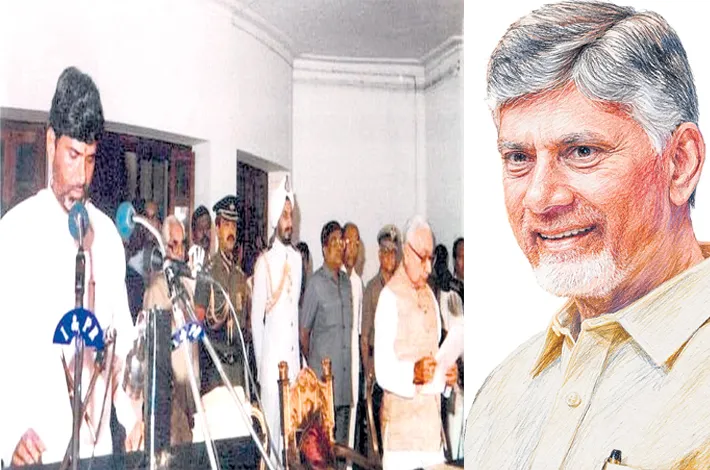
N. Chandrababu Naidu turns 76 on April 20, 2026. The veteran leader, born on April 20, 1950, now enters his 76th year with a long record of service and fresh expectations riding on his third term as Chief Minister. This milestone offers a timely moment to examine his performance since returning to power in June 2024 with a massive mandate. The Telugu Desam Party-led alliance captured 164 of 175 assembly seats, with the TDP alone winning 135 seats and nearly 45.6 percent of the vote. Two years on, serious questions arise about whether Naidu is living up to the hopes of the very people who delivered that victory.
Naidu’s first term as Chief Minister of undivided Andhra Pradesh began in 1995 under difficult conditions. He stepped into the shoes of his father-in-law, the legendary N.T. Rama Rao, amid political turmoil. NTR’s death in 1996 added to the pressure. Naidu showed political skill, rebuilt public confidence, and earned praise as a shrewd administrator and visionary. Voters rewarded him with strong mandates in subsequent elections. Nationally, he played a pivotal role in the United Front era, helping install Prime Ministers H.D. Deve Gowda and Inder Kumar Gujral. He lost power in 2004 to Y.S. Rajasekhara Reddy and spent nine years in opposition. After state bifurcation, he served as Chief Minister from 2014 to 2019 before another five years in the wilderness under YSRCP rule. The 2024 landslide brought him back with high expectations.
Today, deep discontent brews within the TDP ranks. Thousands of loyal leaders, cadre, and activists endured severe repression during the previous regime. They faced false cases, intimidation, property damage, and career losses. Many sacrificed time, money, and professions to keep the party alive. After the thumping win, these foot soldiers expected fair recognition and rehabilitation. Instead, they feel abandoned. Party insiders describe loyal workers being sidelined while former YSRCP supporters, alleged goons, and vocal critics of Naidu and his family now receive plum posts, government contracts, and business favours. Prominent supporters who stood firm during the dark days struggle even to get appointments. This reversal has left a bitter taste and eroded morale at the grassroots level.
The handling of bureaucracy sends an even stronger signal of inconsistency. During the campaign, Nara Lokesh released a “Red Book” naming officials accused of acting as tools of the previous government and targeting TDP workers. Many expected accountability. Instead, several names from that list now occupy senior positions in the current administration. Officers who suffered under the last regime remain on the sidelines. This pattern repeats the mistakes Naidu made during his post-bifurcation term and fuels anger among those who expected a clean break from the past.
Naidu’s single-minded focus on Amaravati adds to the unease. The government continues to pour massive resources into the capital region. In April 2026, the assembly passed resolutions and secured central backing to declare Amaravati the sole and permanent capital. Projects worth more than Rs 57,821 crore are underway, with ambitious timelines targeting completion by 2028-29. While infrastructure development matters, the heavy emphasis on acquiring thousands of additional acres has sparked widespread concern. Farmers and local communities worry about displacement and whether this obsession leaves other regions of the state neglected. Many party workers openly question if this capital-centric approach truly serves the broader interests of Andhra Pradesh or merely reflects personal priorities.
On the national stage, Naidu’s approach raises sharper concerns about his role as a regional leader. The TDP’s 16 Lok Sabha seats provide crucial support to the BJP-led NDA government at the Centre. In the late 1990s, Naidu asserted Andhra Pradesh’s interests forcefully within coalitions. Today, critics see a clear shift toward complete accommodation. The recent delimitation proposals, introduced alongside women’s reservation measures in mid-April 2026, illustrate this point. These bills aim to redraw constituencies based on the 2011 Census and expand Lok Sabha seats significantly. Southern states, including Andhra Pradesh, stand to lose relative influence due to slower population growth. Despite widespread concerns from the south, Naidu extended full support instead of pressing hard for safeguards or alternative formulas. This willingness to back moves that could disadvantage southern states has disappointed many who remember his earlier, more assertive style.
Party cadre and ordinary supporters who backed Naidu through years of struggle now feel growing disillusionment. They sacrificed heavily expecting a government that would reward loyalty, deliver balanced development, and protect regional interests. Instead, they see loyalists ignored, opponents rewarded, capital obsession deepening, and a subdued voice at the national table. This simmering discontent could prove costly. With assembly elections due in 2029 but potential early polls always possible in India’s fluid politics, the TDP risks losing the very base that delivered its landslide victory.
At 76, Chandrababu Naidu possesses unmatched experience and administrative insight. The coming months will test whether he can revive the bold, independent approach that defined his rise in the late 1990s. He must urgently address the grievances of TDP loyalists, strike a fairer balance between Amaravati and statewide development, and assert Andhra Pradesh’s interests more strongly within the NDA. Failure to correct course risks alienating the very people who placed their faith in him once again. The state’s progress and the TDP’s future depend on whether Naidu chooses introspection and course correction now, before discontent turns into lasting damage at the ballot box.