7 October, 2026 | 5:43 AM


Asha Bhosle’s Sangli connection
14-04-2026 12:04:15 AM
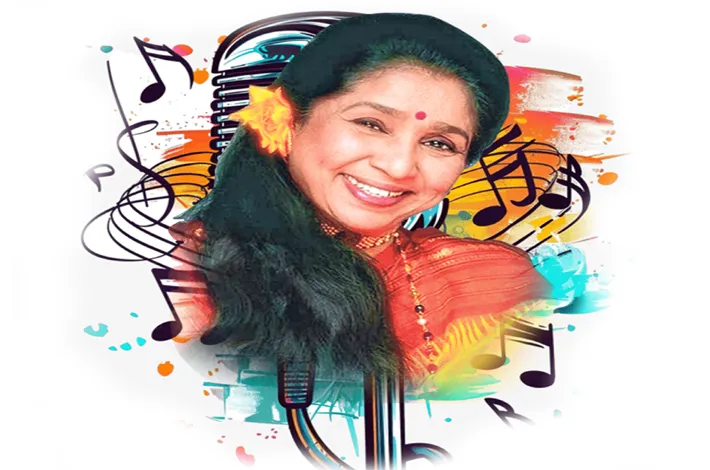
Asha Bhosle was born on 8th September 1933, in Gondhali Galli in Sangli. Her childhood was spent in a house near the bus stand, and she briefly attended a municipal school near Maruti Chowk in the city’s heart
Varad Bhatkhande
The death of legendary playback singer Asha Bhosle on Sunday morning has left Sangli in deep sorrow, with residents recalling her strong personal and cultural ties to the city where she was born and spent her early years.
Asha Bhosle was born on 8th September 1933, in Gondhali Galli in Sangli. Her childhood was spent in a house near the bus stand, and she briefly attended a municipal school near Maruti Chowk in the city’s heart. For many in Sangli, her passing feels personal, as they remember her not just as a global icon but as their own "Ashatai".
The city’s grief also revived memories of her visits, especially during the “Mangeshotsav” organised by the Sangli, Miraj and Kupwad Municipal Corporation (SMKMC) in 2000. The festival was held to honour the Mangeshkar family, whose childhood was closely linked to Sangli. Lata Mangeshkar, along with Asha Bhosle, Hridaynath Mangeshkar, Usha Mangeshkar and Meena Khadikar, attended the event, making it a historic and emotional occasion for the city.
During the event, the siblings were honoured by the Sangli civic body, and the programme featured conversations and performances based on their childhood memories in Sangli. The atmosphere was described as warm and personal, more like a family gathering than a formal function. The renovated Master Deenanath Mangeshkar Natyagruha was also inaugurated during their visit.
Asha Bhosle was later honoured with the “Sangli Bhushan” award at a grand ceremony held at Tarun Bharat Stadium, where the entire Mangeshkar family was present. These events remain significant moments in Sangli’s cultural history.
The birthplace of a legend
Asha Bhosle was born in Sangli on 8th September 1933. While her elder sister Lata was born in Indore, Asha’s arrival coincided with a period when her father, Pandit Deenanath Mangeshkar, had moved the family to Sangli to manage his theatre troupe, the Balwant Sangeet Mandali. For Asha, Sangli represents the "cradle" of her musical consciousness.
It was in the rented rooms of Sangli that Asha first heard the complex ragas her father taught his disciples. She has often spoken in the interviews about sitting in the corners of their Sangli home and absorbing the music that would later define her career.
Sangli & Mangeshkars
Sangli has a rich and important legacy in theatre and music. It is not just the birthplace of famous artists but also a key centre where Marathi performing arts took shape. The city is closely linked to Vishnudas Bhave, who is known as the father of modern Marathi theatre. In the 19th century, he introduced organised plays that combined storytelling with music. This led to the rise of Sangeet Natak, a unique form of musical theatre.
The royal rulers of Sangli supported artists and performers. This gave them the freedom to learn, perform, and grow. Theatre became more professional, and travelling drama companies started from here. The tradition later influenced great performers like Bal Gandharva.
Sangli also became a strong centre for Hindustani classical music. Music and theatre were closely connected. A major figure from this legacy is Pandit Deenanath Mangeshkar, who played a big role in theatre music. His influence shaped future legends like Lata Mangeshkar and Asha Bhosle. Overall, Sangli helped connect classical music, theatre, and later cinema, shaping Maharashtra’s cultural identity.
A bittersweet memory…
Sangli also witnessed the struggles of the Mangeshkar family during the decline of the theatre era. Her followers note that these early hardships shaped Asha Bhosle’s resilience and versatility. Her success was later defined across genres like bhavgeet, bhaktigeet and lavani and also party and romantic songs for Bollywood and other film industries.
Her personal identity also remained linked to the region through her marriage to Ganpatrao Bhosle from Chore village in the Karad-Sangli belt. Even after moving to Pune and Mumbai, she continued to be regarded as a daughter of the soil in Sangli.
Locals fondly remember her performances and visits, saying her presence brought life to cultural programmes and inspired generations of artists. Her iconic songs, including “Abhi Na Jao Chhodkar", echoed in conversations across the city as people mourned her loss. For Sangli, Asha Bhosle was not just a legendary singer but a symbol of its cultural pride.
The Satara bond
Chore village in Karad Tehsil of Satara held a special meaning for Asha Bhosle, as it was her in-laws’ home
Rambhau Jagtap
Legendary playback singer Asha Bhosle passed away in Mumbai on Sunday at the age of 93, leaving the music world in deep mourning. Her death has triggered an outpouring of grief across the country. Beyond her iconic career, she also shared a strong emotional bond with the Satara District of Maharashtra.
Chore village in Karad Tehsil of Satara held special meaning for Asha Bhosle, as it was her in-laws’ home from her first marriage. Her first husband, Ganpatrao Bhosle, belonged to the village.
Despite her long and busy career in the music industry, she remained connected to the Bhosle family and maintained close personal ties with them throughout her life -- even after the death of Ganpatrao Bhosle.
Two years ago, during a visit to the Ninai Devi temple in Patan tehsil, Satara, she stopped in Chore village. She met her relatives and spent time recalling old memories. Family members said she had expressed a wish to visit again, especially to see their newly built house. However, her sudden demise has left that wish unfulfilled.
Chandrakant Baburao Bhosle, her nephew from the Bhosle family, said her passing is a huge loss for them. He recalled that she shared a warm and affectionate relationship with the family and visited them whenever possible. Her last visit remains a cherished memory for the family.
Her ties to Karad date back to 1936
Born into the renowned Mangeshkar family, Asha Bhosle was the younger sister of Lata Mangeshkar. Along with her siblings, Usha Mangeshkar and Hridaynath Mangeshkar, she carried forward a rich musical legacy. Over seven decades, she recorded thousands of songs in multiple languages, including Hindi and Marathi, and became one of India’s most celebrated voices.
Her marriage to Ganpatrao Bhosle marked her transition from Asha Mangeshkar to Asha Bhosle. Their relationship began through a shared interest in music, especially playing the tabla. After marriage, she became closely associated with Chore village, strengthening her ties with her husband’s family.