13 September, 2026 | 12:01 AM


Assembly or Dangal?
13-09-2026 12:00:00 AM
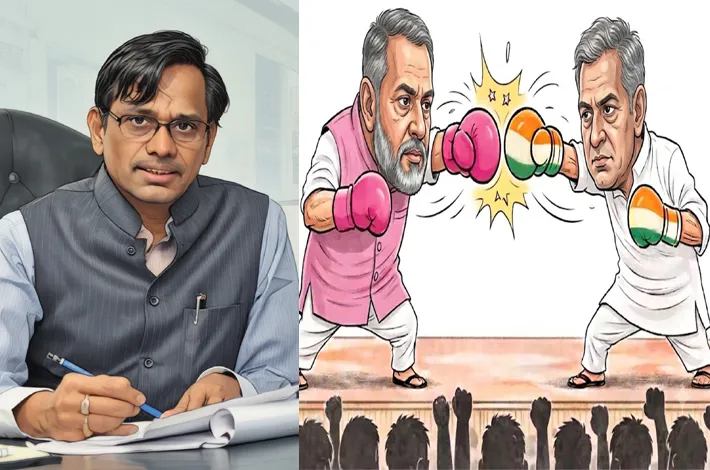
- Crores spent, still chaos reigns
- MLAs must reclaim their mandate before Gen Z demands accountability
C L Rajam
Country’s state legislative Assemblies represent the cornerstone of federal democracy, where elected representatives are entrusted with debating public issues, framing laws, and improving citizens’ lives. Still a stark contradiction persists. Crores of public money fund assembly infrastructure, maintenance, MLAs’ salaries, perks, and security, while proceedings frequently descend into physical confrontations, abuses, and protests that diminish the institution’s stature. It is high time for stricter codes of conduct, including laws to debar persistent offenders, and a decisive shift toward substantive discussions on unemployment, skill development, welfare schemes, infrastructure, and corruption. Public expenditure on state legislatures runs into substantial sums.
Roughly 4,000 MLAs nationwide, salaries and allowances vary widely by state but impose a significant collective burden. Telangana has ranked among the highest, with reports placing total monthly packages around Rs 2.5–2.75 lakh inclusive of allowances. Maharashtra, Uttar Pradesh, and others have figures often exceeding Rs 1.5–2 lakh. Kerala remains near the lower end at about Rs 70,000. Beyond basic pay, MLAs typically receive constituency allowances, travel benefits, housing or house rent allowance, vehicles or vehicle maintenance grants, staff support, medical facilities, and daily allowances during sessions. Additional layers multiply the cost.
Many states provide or subsidize official residences in capitals, security arrangements, and free or concessional travel. Constituency development funds (MLA LAD or equivalent) range from Rs 2 crore to as high as Rs 5 crore per year in places like Odisha, channeling further public resources through legislators for local projects. Infrastructure and maintenance of assembly complexes, staff salaries, technology upgrades, and session logistics add crores more annually. One older estimate for digitization and related works across legislatures ran into hundreds of crores; ongoing operations continue to draw from state budgets. Security alone for high-profile legislators represents a recurring, non-trivial outlay. When aggregated with pensions for former members and related support systems, the annual public investment in the legislative class runs into thousands of crores. This investment carries a clear expectation. MLAs exist to discuss matters of public interest, debate policies rigorously, and legislate for the benefit of ordinary people—raising living standards, ensuring efficient delivery of services, and holding the executive accountable.
Productive sessions should examine unemployment and skill development gaps that leave millions of youth underemployed; fee reimbursement schemes and education quality; implementation of welfare programmes; ease of doing business and industry incentives; urban pollution and future transport systems; reliable water and power supply; health infrastructure; tourism potential; major projects such as the Musi river rejuvenation; raising financial resources without excessive burden; and systemic corruption that erodes trust and efficiency. These are the issues that determine whether development reaches citizens or remains confined to speeches. Instead, too many sessions and the spaces around assemblies have resembled war zones. Physical scuffles, torn clothes, allegations of manhandling of legislators (including women MLAs), slogan-shouting marches into the well of the House, dharnas, and adjournments have become recurring features.
Recent episodes in Telangana saw opposition MLAs, including women legislators, allege police rough-handling, hair-pulling, and obstruction outside the Assembly, prompting inquiries, High Court involvement, and suspensions. Similar disorder has marked proceedings in Haryana, with claims of heckling and scuffles at entry points, and clashes involving supporters near the Maharashtra Assembly. Such scenes, captured on video and amplified on social media, erode public respect for the legislature and waste scarce session time that could address real problems. The contrast is damaging. While crores sustain the physical and personal infrastructure of representation, the output often prioritizes confrontation over constructive legislation. Citizens footing the bill through taxes rightly expect more.
Assemblies must therefore enact clearer, enforceable rules to debar or suspend MLAs for repeated physical misconduct, disruption that paralyses business, or behaviour that brings the House into disrepute. Existing privileges and immunities protect legitimate speech and debate; they should not shield violence or deliberate chaos. Speakers need stronger tools, and political parties must internalise that electoral mandates do not license thuggery. The urgency is generational. India’s large Gen Z cohort—digital natives who track proceedings in real time, compare governance outcomes across states, and face intense competition for jobs and quality of life—will not indefinitely tolerate institutions that appear more theatrical than functional. Continued decline in decorum risks accelerating cynicism, lower trust in representative democracy, and demands for more radical accountability mechanisms.
Proper behaviour is not optional etiquette; it is a prerequisite for legitimacy. Reform need not wait for a crisis. Assemblies can prioritise focused debates and committee work on the pressing agenda: accelerating skill development and employment generation; ensuring timely fee reimbursements and education reforms; monitoring welfare scheme delivery; simplifying ease of doing business; tackling urban pollution and planning sustainable transport; securing water and power; advancing flagship projects like Musi rejuvenation; boosting tourism and health infrastructure; offering calibrated industry incentives; and confronting corruption through transparency and stronger oversight. Raising resources efficiently and implementing development projects with measurable outcomes would demonstrate value for the public money spent. Legislators receive salaries, perks, security, and platforms precisely so they can perform these functions.
When assemblies become arenas of physical contest rather than forums of ideas, the investment becomes hard to justify. The path forward is straightforward: enforce standards of conduct that match the dignity of the office, legislate consequences for those who repeatedly violate them, and redirect energy toward the issues that shape citizens’ daily lives. Only then will the crores spent on infrastructure and representation yield the returns democracy demands—better laws, better governance, and rising living standards for the people who pay the bills.
Telangana Assembly: Disruptions and Cost
The Telangana Legislative Assembly (119 members) has faced repeated disruptions, notably during the September 2026 Monsoon Session. On September 7, BRS MLAs in black protest T-shirts were stopped by police at the gates. Scuffles followed, with allegations of manhandling—including women MLAs having hair pulled and sarees stepped on. Leaders like K.T. Rama Rao and T. Harish Rao were detained. The High Court intervened, criticising police excesses. Subsequent days saw slogans, placards, and adjournments. On September 9, the Speaker suspended 21–22 BRS MLAs, including senior leaders, for the rest of the session. Sessions overall remain short (around 18 days on average in recent years), limiting productive debate.
Public costs remain significant. Telangana MLAs rank among India’s highest paid, with packages of Rs 2.5–2.75 lakh per month (basic Rs 20,000 + Rs 2.3 lakh constituency allowance + other perks). Benefits include free housing, vehicle advances up to Rs 30 lakh, medical cover, and travel concessions. For 119 MLAs, salary packages alone exceed Rs 30–36 crore annually, before staff, pensions, and security.
The State Legislature demand stood at about Rs 250.72 crore for 2025-26, covering secretariat operations, members’ emoluments, and administration. Building maintenance and renovations (including a planned Rs 49 crore upgrade) add further crores. While these expenditures support a key democratic institution, frequent physical confrontations and suspensions reduce effective legislative output on critical issues such as unemployment, welfare delivery, and infrastructure.