16 August, 2026 | 10:02 PM


Cotton Procurement Misses the Mark
07-03-2026 12:00:00 AM
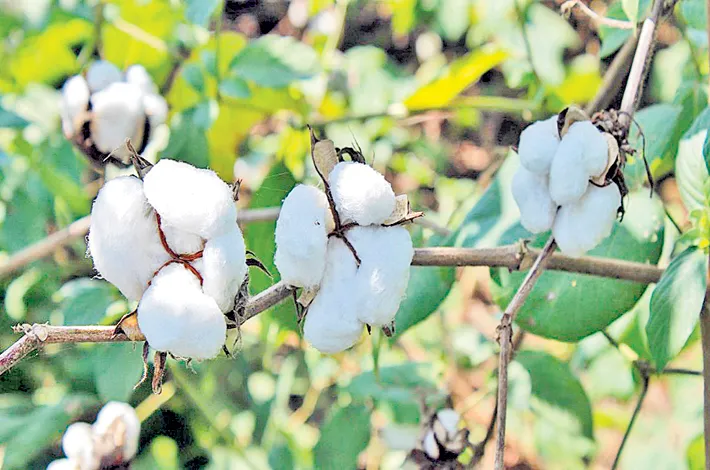
Strict norms and moisture rules push farmers to sell at lower prices to private traders
The cotton procurement season has ended on a difficult note for farmers, who faced significant losses amid alleged negligence by both the Central and State governments. From the delayed opening of procurement centres at ginning mills to stringent procurement norms, farmers encountered multiple hurdles throughout the season.
The Cotton Corporation of India (CCI) had set a procurement target of 28.29 lakh tonnes of cotton for the current season. However, by the close of procurement, only 16.15 lakh tonnes were purchased from about 8.80 lakh farmers, leaving a shortfall of 12.12 lakh tonnes against the target.
According to official estimates, cotton was cultivated in 45.32 lakh acres this season. Despite the large cultivation area, procurement remained far below expectations. In comparison, last year the CCI had set a target of 28.30 lakh tonnes and managed to procure 21.01 lakh tonnes, achieving about 74.24 percent of the target. This year procurement dropped sharply to 56.77 percent, which is 17.45 percent lower than the previous season.
Due to this reduced procurement, farmers reportedly suffered losses amounting to Rs 9,919 crore, as a large quantity of cotton was left unsold at the Minimum Support Price.
Strict CCI norms create hurdles
Farmers say the procurement restrictions imposed by the CCI became a major obstacle. The corporation limited purchases to 7 quintals per acre and also enforced a 12 percent moisture limit, which caused serious difficulties.
Untimely rains had already damaged cotton crops, increasing moisture levels in the produce. Farmers appealed to authorities to raise the permissible moisture level to 15 to 20 percent, but their requests went unheeded. As a result, CCI refused to purchase cotton exceeding the moisture limit.
Delays in selling the crop further affected quality, as prolonged storage led to colour changes in cotton. With procurement centres refusing to buy, many farmers were forced to sell their produce to private traders at lower prices.
Initially, until early November, CCI had been purchasing up to 11.74 quintals per acre, but later reduced the limit to 7 quintals, leaving farmers with unsold stocks. Consequently, a large portion of the produce had to be sold in the private market.
Farmers allege that only two to three lakh farmers managed to receive the Maximum Support Price of Rs 8,110 per quintal, while many others failed to benefit due to strict moisture conditions.
MSP linked to moisture levels
The support price for cotton was also determined based on moisture content, ranging from Rs 7,786 to Rs 8,110 per quintal. Cotton with 8 percent or less moisture received the maximum support price of Rs 8,110, while prices gradually decreased with higher moisture levels up to 12 percent.
However, due to unseasonal rains, most cotton recorded moisture levels between 10 and 12 percent, reducing the price farmers received. In some instances, farmers alleged that officials recorded higher moisture levels than actual, further lowering their returns.
With the official MSP at Rs 8,110, many farmers ultimately sold their cotton for around Rs 6,000 per quintal in the private market.