22 October, 2026 | 4:16 AM


Empowerment for Whom?
22-10-2026 12:00:00 AM
The unasked Questions
“If you have it, flaunt it.” It sounds like a declaration of freedom. Why should a woman be ashamed of her body? Why should anyone else decide how she dresses or expresses her sexuality?
I am reminded of the television discussion between Priyanka Chopra and Shabana Azmi about the portrayal of women in cinema, when Riyanka Chopra declared, “ If you have it, flaunt it”. Years later, we are still having much the same debate. Whenever a sexualized advertisement is questioned, we hear that the woman chose to do it, is comfortable with it and earns from it.
All valid points. But do they answer the criticism?
Actor Sydney Sweeney’s recent advertisement for Novig, a sports prediction platform, made me think about this again. She appears largely unclothed, with sporting equipment covering parts of her body. Women athletes responded by posting images and videos of themselves competing, highlighting the skill and effort involved in their sport. The advertisement does not claim that Sweeney is an athlete. But its appeal seems clear: attract men interested in sport through a woman’s sexuality.
Women also watch matches, follow teams, bet and understand the game. Yet here, the man is imagined as the customer and the woman as the attraction. Sportswomen, and even women who enjoy watching sport, seem to have been blanked out.
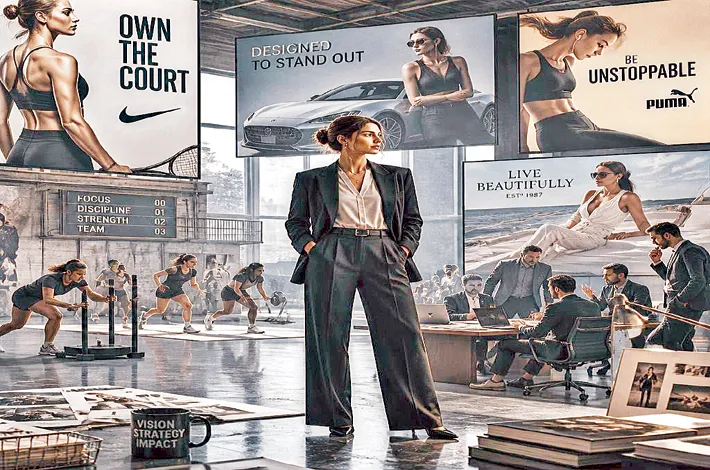
We know this formula: women beside cars, lying across motorcycles, or performing item songs inserted into films with little connection to the story. What is different now is that a woman’s choice is offered as a reason to celebrate the same old approach.
Today, a woman may negotiate her contract, influence the campaign and earn handsomely. I would certainly recognize these as gains. But why should her greater control over the deal make the advertisement itself empowering or sensitive?
Women exercise their agency within a commercial ecosystem that continues to treat their bodies as something to package and sell. The system rewards some choices far more generously than others, particularly those that appeal to male desire.
Women have struggled to be recognized for their minds, abilities and ambitions. Yet successful women can, wittingly or unwittingly, become partners in sustaining the very attitudes that they have fought to overcome.
I am not questioning their agency. What troubles me is that they can exercise it, benefit from it and yet help keep the old system going. Surely that contradiction deserves discussion too?
When the response to criticism is “respect her choice”, the conversation shifts. We stop examining the company’s decision and start arguing about whether a woman has the right to participate.
The brand gets to use her body to attract customers, and her agency to deflect scrutiny. Surely we can respect her decision and question what both she and the company are helping promote.
Sweeney is also an equity holder in Novig. She has a financial interest in its success. That brings responsibility, but it should not make her the only person answering for the campaign. The brand and creative team must answer too.
This matters beyond one celebrity. Advertisements help shape what we consider normal. Repeatedly presenting men as consumers and women as attractions perpetrates the old stereotypes, even when the woman involved is empowered to make her choices.
Nor does commercial success settle the question. Controversy brings attention, and attention may bring sales. That tells us the strategy worked. It does not tell us that it helped change how women are valued. Women’s freedom to choose matters deeply. But I find it difficult to call every profitable choice empowerment when it helps sustain the system we have struggled against.
Those women may have gained. What has changed for women in general? Empowerment for whom, then?
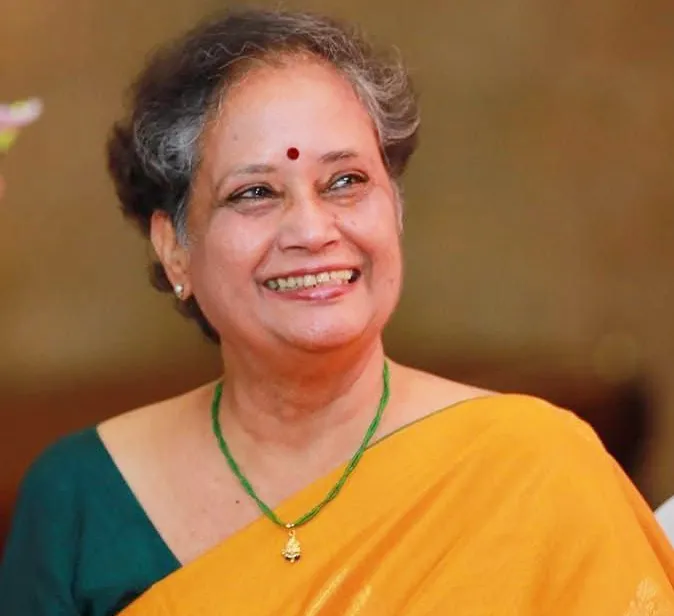
(A L Sharada, is a sociologist and the former director of Population First)