21 October, 2026 | 1:55 PM


Govt readies `2.5L cr support for MSMEs amid W Asia crisis
08-04-2026 12:00:00 AM
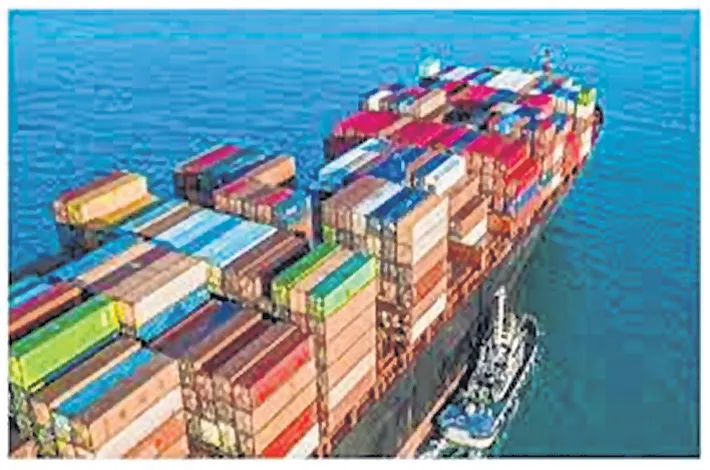
EMERGENCY CUSHION | High coverage assurance to stabilise cos hit by turmoil
New Delhi
The government is considering a ₹2.5 lakh crore credit guarantee scheme to support businesses, especially Micro, Small and Medium Enterprises (MSMEs) impacted by the West Asia crisis, sources said. Under the scheme, a credit guarantee of about 90% on loans of up to ₹100 crore would be provided to lenders in case of default by borrowers due to the ongoing US-Iran conflict.
The guarantee on bank loans would be provided by the National Credit Guarantee Trustee Company (NCGTC), a wholly owned subsidiary of the government. The government would have to provide about ₹17,000 crore to ₹18,000 crore for the scheme.
Sources said the scheme was a huge success during the Covid pandemic and helped many businesses across various sectors to stay afloat and clear their dues. In May 2020, the government announced the Emergency Credit Line Guarantee Scheme (ECLGS) as part of the Aatmanirbhar Bharat Abhiyaan to support eligible MSMEs and other business enterprises in meeting operational liabilities and restarting businesses in the context of the disruption caused by the pandemic.
The ECLGS covered almost all sectors of the economy, and a 100% guarantee was provided to member lending institutions in respect of the credit facility extended by them under the scheme to eligible borrowers. The structure permitted easy access to credit as lenders offer pre-approved loans based on the borrower’s existing credit outstanding. No fresh appraisal is undertaken by lenders since additional credit was sanctioned over and above the credit facilities already assessed.
Further, the interest rate was capped with a view to lowering the cost of credit and loans are sanctioned without any processing charges, prepayment charges or guarantee fees. The scheme continued till March 31, 2023.
Besides, the government has taken a slew of measures in the recent past to mitigate the hardship of the common man, including slashing of excise duty on petrol and diesel. India has reduced the excise duty on diesel and petrol, and specific exemptions were given on critical petrochemical products and Special Economic Zones (SEZs) to operate in the Domestic Tariff Area.
On March 26, the government slashed excise duty on petrol and diesel by ₹10 a litre as it looked to shield consumers from the impact of rising global crude prices amid the ongoing war. Global crude prices have risen by almost 50% since the US and Israel launched military strikes against Iran on February 28, triggering sweeping retaliation from Tehran.