15 September, 2026 | 4:26 AM


Cong eyes comeback in Kerala
08-04-2026 12:00:00 AM
Anita Saluja
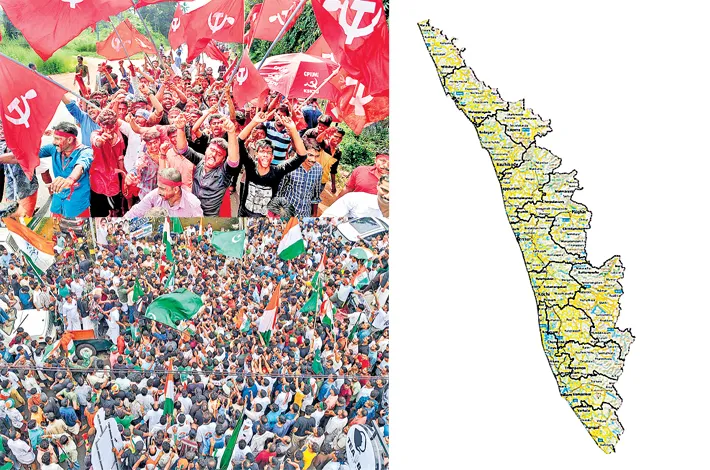
After a decade out of power, the Congress in Kerala is mounting a determined bid to unseat the Left Democratic Front (LDF), led by Chief Minister Pinarayi Vijayan. The LDF made history by winning consecutive Assembly elections in 2016 and 2021, breaking Kerala’s four-decade pattern of alternating governments between the LDF and the Congress-led United Democratic Front (UDF). Since 1982, voters had consistently switched between these coalitions every five years, making the 2021 result a major political shift.
A potential Left defeat would have consequences beyond Kerala. After losing West Bengal and Tripura, Kerala remains the Left’s last stronghold. A loss here could weaken its national relevance, with concerns that cadres may drift toward the BJP.
The BJP has already made inroads. In the 2024 Lok Sabha elections, Suresh Gopi won from Thrissur by over 74,000 votes—the party’s first-ever parliamentary victory in Kerala—and later became a Union Minister in the Modi government. This breakthrough, along with allegations of tacit LDF-BJP understanding in 2021, has reshaped political alignments.
One major consequence is the consolidation of Muslim voters—around 27% of Kerala’s population—behind the Congress. The Left, which earlier secured a share of this vote, risks losing it significantly this time. Priyanka Gandhi has amplified this narrative, questioning why central agencies like the ED, CBI, and Income Tax Department have not aggressively pursued corruption allegations against Kerala’s Left leadership.
The LDF also faces anti-incumbency after 10 years in power, alongside charges of corruption and a worsening fiscal situation, with state debt projected to exceed ₹5 lakh crore. These factors have put the ruling front on the defensive ahead of polling.
The Congress, meanwhile, is drawing on history and symbolism. It marked the centenary of Vaikom Satyagraha and commemorated the 1925 meeting between Mahatma Gandhi and Narayana Guru. By invoking these legacies, the party aims to appeal to pluralism and social justice, targeting key communities such as Dalits (10%) and Ezhavas (25%).
The Congress is also revisiting its historic roots in Kerala politics. In 1959, Indira Gandhi led the Vimochana Samaram (Liberation Struggle), which resulted in the dismissal of the Communist government headed by E. M. S. Namboodiripad under Article 356. This episode not only brought Congress to power in the state but also ushered in coalition politics, aligning groups like the Nair Service Society and Christian institutions with the party.
Today’s Congress campaign seeks to revive that legacy. Rahul Gandhi has maintained a strong connection with Kerala since contesting from Wayanad in 2019 and 2024. After vacating the seat in 2024, the party fielded Priyanka Gandhi in the by-election to sustain the family’s presence in the state. Both leaders have actively campaigned, projecting unity and momentum.
The party has also introduced “Indira Guarantees,” including free bus travel for women, Rs 1,000 monthly assistance for college-going girls, Rs 25 lakh health insurance per family, Rs 3,000 pensions for vulnerable groups, and interest-free loans for youth entrepreneurship. These welfare promises are central to its pitch.
Rahul Gandhi has sharply criticized the LDF government for unemployment, weak healthcare infrastructure, and inadequate support for farmers and workers. By highlighting governance failures and economic distress, Congress hopes to tap into public dissatisfaction.
The stakes are high. A victory in Kerala would strengthen Congress’s claim to lead the INDIA bloc in the 2029 general elections. It is also one of the few states among current poll-bound regions—alongside Assam, Tamil Nadu, West Bengal, and Puducherry—where the party sees a realistic chance of forming government.
With campaigning peaking and both Rahul and Priyanka Gandhi heavily invested, the Congress is positioning itself as the vehicle for change, urging voters to choose development over continuity.
(Writer is Delhi-based senior journalist, analyst and political commentator. Views are personal.)