21 September, 2026 | 7:50 PM


GUNTUR KARAM HITS A CHINA WALL
16-06-2026 12:00:00 AM
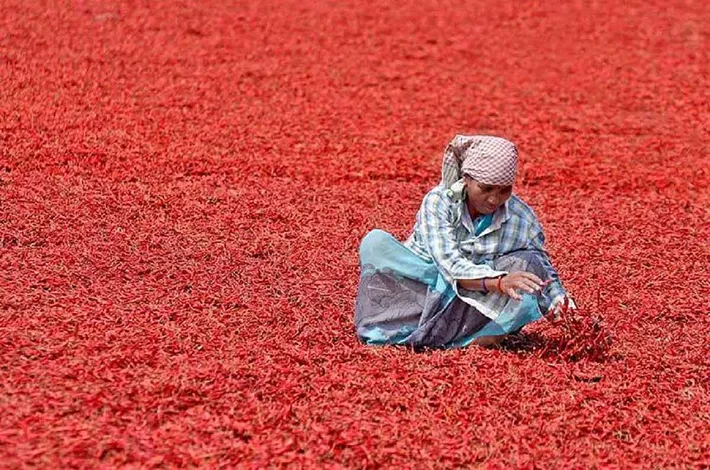
China rejects Guntur chilli over excess pesticide
The Spices Board of India and the Horticulture Department have initiated consultations with exporters to address quality concerns
kiranmai tutika I AMARAVATI
A major setback has hit Andhra Pradesh’s chilli export industry after Chinese customs authorities rejected three consignments of Indian dry chillies, citing pesticide residue levels that exceeded permissible limits. The development has raised concerns among exporters in Guntur, India’s largest chilli production and export hub.
According to reports, Chinese authorities detected excessive levels of hazardous pesticide residues in chilli containers exported from India. Following the findings, China not only rejected the shipments but also temporarily suspended imports from three Indian exporters linked to the consignments.
China is one of the largest international buyers of Indian chillies, particularly the highly sought-after Teja variety cultivated extensively in the Guntur region. The latest action has created uncertainty among exporters, many of whom are now struggling with unsold stock. Some exporters have reportedly moved their produce into cold storage facilities while awaiting clarity on future shipments.
Agricultural experts believe the issue may be linked to the use of pesticides such as Acephate, which can result in the presence of Methamidophos residues in chilli samples. International markets, including China, maintain stringent food safety standards and regularly test imported agricultural products for chemical residues.
In response to the situation, officials from the Spices Board of India and the Horticulture Department have initiated consultations with exporters to address quality concerns. Special meetings are being held to educate stakeholders on residue management and compliance with international export standards.
Authorities are also considering stricter quality-control measures in coordination with state agencies before the next chilli season begins. The objective is to ensure that exported produce meets global safety norms and to prevent similar incidents in the future.
While China has not imposed a blanket ban on Indian chilli imports, the suspension imposed on the three affected exporters remains in force. Industry representatives fear that prolonged restrictions could impact both exports and farm-gate prices in the region.