18 September, 2026 | 1:03 AM


Hostels shortage forces students into unsafe buildings
18-09-2026 12:00:00 AM
- State government should create adequate hostel facilities
- Create accommodation spaces in prime areas
- Allot land for the pvt builders at low cost
metro india news I hyderabad
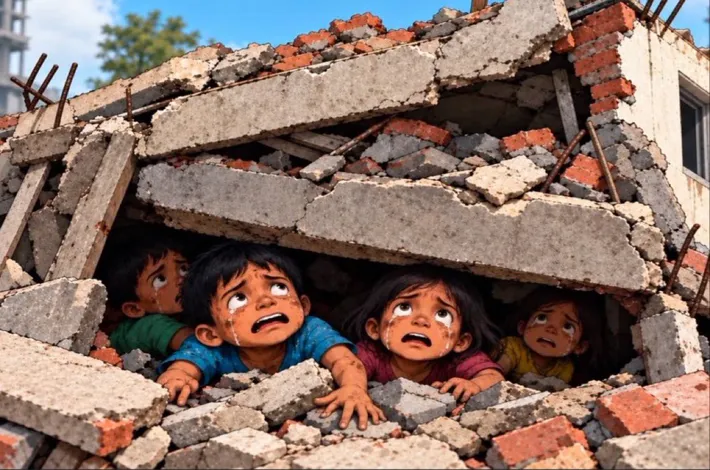
The collapse of a five-storey building in Delhi’s Satya Niketan neighbourhood on September 6, has once again drawn national attention to the acute shortage of proper student hostels in major Indian cities. The structure, operating as a boys’ paying guest accommodation known as Hostel Daze near Delhi University’s South Campus, came down in the afternoon, killing seven people and injuring several others. Many of the residents were students from other states who had rented beds in the cramped, ageing building because official university hostels simply could not accommodate them.Rescue teams worked through the night to pull survivors from the rubble. The building, nearly 50 years old and reportedly expanded beyond its original design, was undergoing basement repairs at the time.
Heavy rain and water accumulation were cited among the factors that weakened the structure. Police arrested the owners and related persons, while municipal officials faced suspension. The Delhi High Court later described the deaths as the result of callous and criminal conduct and ordered citywide inspections of paying guest facilities, highlighting the deeper problem of inadequate institutional housing for outstation students.This tragedy is not isolated. Across India, the gap between the number of students enrolled in higher education and the availability of safe, affordable hostel beds continues to widen. In Hyderabad, the situation is particularly visible.
The city draws large numbers of students for engineering, medicine, coaching centres and professional courses. Government and university hostels fall far short of demand. Many first-year students at government medical colleges have been housed temporarily in overcrowded engineering hostels or old office buildings, with reports of 20 students sharing a single room and limited washrooms. When those temporary arrangements end, students are pushed into private paying guest accommodations and rented rooms that often lack basic safety standards.Private hostels and PG facilities in areas such as Ameerpet, Kukatpally, Dilsukhnagar, Gachibowli and RTC X Roads have become the default option. Students frequently describe rooms that are poorly ventilated, overcrowded and poorly maintained.
Multiple occupants share small spaces with peeling walls, inadequate sanitation and unreliable water or electricity. Safety concerns for women students remain high in many of these unregulated buildings. Owners sometimes convert residential flats into hostels overnight without proper permissions, fire clearances or structural checks. Rents can be steep relative to the quality of accommodation, adding financial pressure on families already stretched by tuition fees.Similar patterns appear in other education hubs. Delhi University colleges routinely offer hostel seats to only a tiny fraction of students. In one sociology honours class of 75 students, only two received college hostel places; the rest turned to private PGs in neighbourhoods like Satya Niketan. Nationally, estimates place the number of on-campus hostel beds at around 7.5 million against more than 43 million students enrolled in higher education.
The shortfall is met largely by the unorganised private sector. Organised developers have largely stayed away from purpose-built student housing because of high land costs near campuses, uncertain regulations and longer payback periods. As a result, students from smaller towns arrive in cities with dreams of education and find themselves living in buildings that may be structurally unsound, illegally extended or lacking basic safety features.The consequences extend beyond physical risk. Students living in dilapidated private accommodations often face unhygienic conditions that affect health and concentration.
Food quality can be inconsistent, especially when external supply disruptions occur. The constant worry about safety, especially for young women, and the financial burden of high rents distract from academic work. Parents send their children to distant cities trusting that institutions and authorities will ensure reasonable living conditions. When those conditions fail, the human cost becomes clear, as seen in the Delhi collapse where students from Uttar Pradesh, Madhya Pradesh, Chhattisgarh and other states lost their lives.Experts and student representatives have long pointed out that the root cause is the failure to expand public hostel infrastructure in line with rising enrolment.
The National Education Policy aims for a much higher gross enrolment ratio, which will only increase pressure on existing facilities. Universities and state governments have not matched that ambition with corresponding investment in residential capacity. In Telangana, while some government hostel seats have remained vacant due to poor infrastructure and outdated courses, the overall picture for professional and medical students is one of shortage. Students continue to protest unhygienic conditions and demand more beds on campus.
State governments hold primary responsibility for addressing this crisis. Providing adequate hostel facilities at affordable cost is not merely a welfare measure; it is essential for educational equity and student safety. Governments can construct new hostels on or near campuses, upgrade existing ones, and enforce strict regulation of private paying guest accommodations. Regular structural audits, mandatory fire and occupancy certificates, and transparent licensing systems would reduce the risks associated with unregulated private housing.
Public-private partnerships under clear safety and affordability norms could also help expand supply without compromising standards.The Satya Niketan collapse should serve as a decisive warning. Students come to cities like Hyderabad, Delhi, Bengaluru and others seeking knowledge and opportunity. They should not be forced to risk their lives in dilapidated private buildings because official hostels are unavailable or insufficient. State governments must prioritise the construction and maintenance of safe, affordable student hostels. Only then can the promise of higher education be realised without the constant shadow of unsafe living conditions. The loss of young lives in Delhi has underscored the urgency. Action delayed will only invite further preventable tragedies.