20 October, 2026 | 7:05 PM


India–EU FTA includes mediation mechanism for disputes
01-03-2026 12:00:00 AM
the mediation process can be initiated only with the mutual consent of both parties. If the two sides fail to agree on the selection of a mediator within the specified timeframe, the request for mediation will be treated as rejected
Metro India News | new delhi
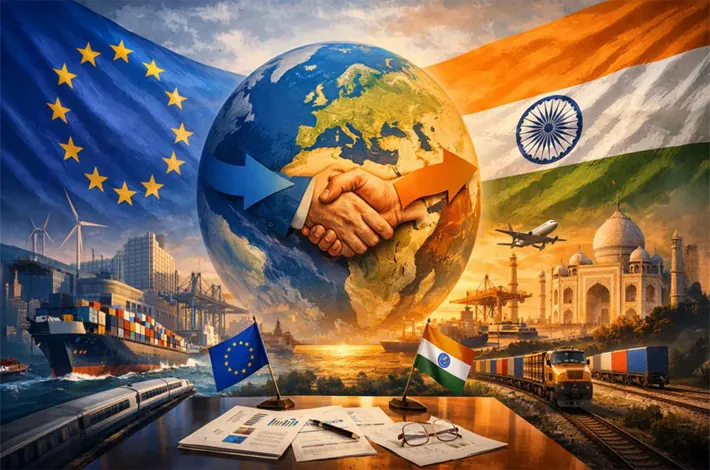
The proposed free trade agreement (FTA) between India and the European Union (EU) will feature a structured mediation mechanism aimed at resolving trade disputes swiftly through mutually agreed procedures, according to the latest text of the pact.
An annexure on “model mediation procedures” has been incorporated into the agreement, the conclusion of which was announced on January 27. The pact is expected to be signed after legal scrubbing and could come into force next year. Officials noted that the text may still undergo changes during the legal revision process and will be final only upon signing.
As per the draft, either India or the EU may request mediation with respect to any measure that is alleged to adversely affect trade between the two sides. The request must clearly detail the concerns of the requesting party, identify the specific measure in question, and explain the potential or actual adverse trade impact.
However, the mediation process can be initiated only with the mutual consent of both parties. If the two sides fail to agree on the selection of a mediator within the specified timeframe, the request for mediation will be treated as rejected.
The procedure will generally take place in the territory of the party to which the request has been addressed, unless both sides agree on an alternative location or mode. Once a mediator is appointed, India and the EU will endeavour to reach a mutually agreed solution within 60 days. During the mediation, both sides may also explore interim solutions to ease trade tensions.
Apart from mediation, the agreement contains a dedicated chapter on dispute settlement. Its objective is to ensure an effective and efficient mechanism for preventing or promptly resolving disputes concerning the interpretation and application of the FTA. The chapter allows for alternative dispute resolution methods such as good offices, conciliation or mediation.
The India–EU FTA, described as the “mother of all deals,” is expected to significantly expand market access. Under the agreement, 93 per cent of Indian exports will enjoy duty-free access to the 27-member EU bloc, while imports of luxury cars and wines from the EU are set to become more affordable in India.
Negotiated over nearly two decades, the deal will link markets covering about 2 billion people across India, the world’s fourth-largest economy, and the EU, the second-largest economic bloc. Together, the two account for roughly 25 per cent of global GDP and about one-third of international trade.
The pact comprises 20 chapters, including one on digital trade, which promotes paperless trading and regulatory cooperation. Think tank GTRI said the dedicated mediation chapter signals both sides’ emphasis on resolving disputes amicably, noting that such detailed procedures are common in EU FTAs but relatively new for India.