11 October, 2026 | 12:44 PM


India’s energy storage capacity to jump 10-fold
07-01-2026 12:00:00 AM
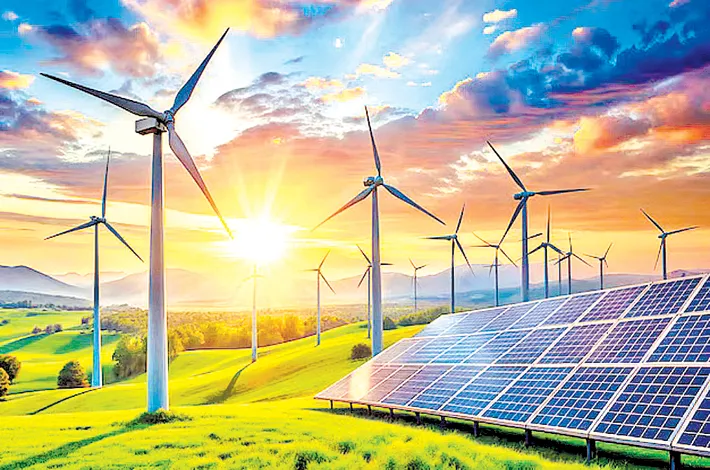
India’s battery energy storage installations are projected to record a nearly 10-fold increase in 2026, with capacity additions expected to reach around 5 GWh, compared with 507 MWh in 2025, largely due to a substantial backlog of projects currently under execution, according to a study released by the India Energy Storage Alliance (IESA).
The report highlights that while 2025 was characterised by unprecedented tendering activity, 2026 will be the year when the sector’s execution capabilities are put to the test. A total of 69 tenders amounting to 102 GWh were floated in 2025, almost equal to all tenders issued between 2018 and 2024 combined. Projects awarded since mid-2023 are now expected to reach commissioning stage in 2026, in line with typical implementation timelines of 18 to 24 months.
IESA said India’s energy storage industry is approaching a crucial inflection point as it moves decisively from tendering to execution. During 2025, cumulative capacity under execution surged 84 per cent to around 224 GWh, and about 60 GWh of projects are expected to enter the implementation phase in 2026.
IESA President Debmalya Sen said industry attention in 2026 will focus on whether projects deliver performance in line with commitments made during bidding. He noted that financing would be the next major challenge, particularly for projects discovered at very low tariffs.
The sector witnessed a sharp fall in tariffs during 2025, surprising many industry participants. Standalone two-hour Battery Energy Storage System tariffs declined from Rs 2.21 lakh per MW per month at the start of the year to nearly Rs 1.48 lakh per MW per month by year-end in APTRANSCO’s tender. Solar-plus-four-hour BESS tariffs also dropped to Rs 2.70–2.76 per unit, with over 50 new bidders intensifying competition.
Several landmark projects are set to come online in 2026, providing a real-world test of large-scale deployment. In March, Adani is expected to commission one of the world’s largest single-location BESS projects of 1,126 MW or 3,530 MWh in Gujarat. Rajasthan is preparing a tender for India’s largest solar-plus-BESS project at Pugal Solar Park, while the commercial and industrial segment is gaining traction following Juniper Green Energy’s 60 MWh merchant BESS installation in December.
Vinayak Walimbe, Managing Director of Customized Energy Solutions, said the transition from tendering to execution in 2026 marks a watershed moment for India’s energy storage sector. Government support has been critical, including a second tranche of Rs 5,400 crore in viability gap funding for 30 GWh of standalone BESS and a requirement of 20 per cent domestic value addition. Waivers on interstate transmission charges for pumped storage and solar-plus-BESS projects have also been extended until 2028.