24 September, 2026 | 11:28 AM


Iran fires at neighbours, Jordan after US attacks
12-06-2026 12:00:00 AM
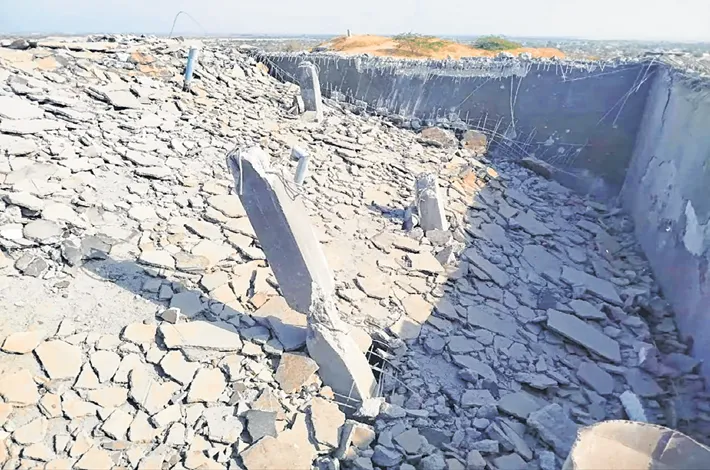
CONFLICT WIDENS | Intense American strikes target military facilities, deepen crisis as ceasefire falters across the region
Dubai: The US and Iran exchanged strikes for a second consecutive day on Thursday, pushing West Asia closer to a wider conflict and further undermining a fragile ceasefire. The latest US attacks appeared more intense than the previous day’s operation. Iran released little details on the damage. Its foreign ministry said the strikes had “effectively rendered the ceasefire meaningless” but stopped short of announcing a withdrawal from the truce.
CONTINUED AGRESSION FROM BOTH SIDES
The US military’s Central Command (CENTCOM) said overnight strikes targeted Iranian military surveillance capabilities, communication systems and air defence sites in response to Tehran’s “continued aggression”.
Explosions were reported in Tehran, Bandar Abbas and other southern areas along the Strait of Hormuz. Iran’s IRGC said a manufacturing complex, military barracks and a Guard base outside Tehran were among the sites hit.
Iran retaliated by firing missiles towards Kuwait, Bahrain and Jordan for the second day in a row.
Kuwait temporarily closed its airspace. Jordan said it intercepted 20 missiles headed towards an area housing a US military base, with no casualties reported. Bahrain said a girl, 11, was injured and homes and vehicles were damaged by debris from interception operations.
PRECISION STRIKES
“US forces launched strikes on Iranian military surveillance capabilities, communication systems and air defence sites across Iran. US Marine Corps, Air Force and Navy assets fired precision munitions at Iranian targets that posed a threat to US forces and international commercial ships transiting regional waters,” the command said.
two WATER tanks hit
Iran said US strikes on Wednesday damaged two key drinking-water reservoirs in Sirik, Hormozgan province, hitting supplies to about 20,000 homes. State broadcaster IRIB said the reservoirs had capacities of 500 and 2,000 cubic metres. Officials said residents lost access to safe drinking water as temperatures ranged between 45°C and 50°C. IRIB later reported supply had been restored.
WHO CONCERNed
WHO regional director Hanan Balkhy warned that disruption of safe water supplies increased the risk of waterborne diseases. She said drinking-water facilities, health infrastructure and other civilian installations are protected under international humanitarian law and must be safeguarded during conflicts.