20 October, 2026 | 9:40 PM


Iran Guards seize power in wartime
30-04-2026 12:00:00 AM
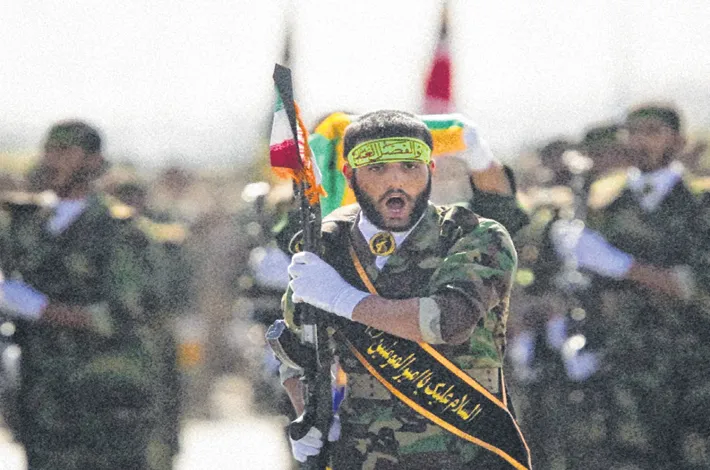
TRANSITION | IRGC blunts clerical authority in Islamic Republic
Tehran: Two months into a conflict with the US and Israel, the Islamic Republic of Iran has shifted from clerical primacy to security dominance. The death of Ayatollah Ali Khamenei on the war’s first day and the elevation of his son Mojtaba ushered in an order controlled by Islamic Revolutionary Guard Corps (IRGC) commanders. While Mojtaba remains the formal authority, he functions as a figure of assent, endorsing outcomes forged by a unified wartime leadership centred on the Supreme National Security Council, Reuters reported.
This transition has impacted diplomatic efforts. Mediation by Islamabad has found Iranian responses “painfully slow”, sometimes taking two to three days due to the lack of a single command structure. While Foreign Minister Abbas Araqchi and Parliament Speaker Mohammed Baqer Qalibaf lead the diplomatic face of Tehran, IRGC commander Ahmad Vahidi is the pivotal figure on the ground.
On Monday, Iran submitted a proposal to Washington envisioning staged talks, suggesting the nuclear issue be set aside until the war ends. However, Washington insists on addressing the nuclear programme immediately. Experts like Alan Eyre suggest neither side can afford flexibility; Tehran fears appearing weak, while President Donald Trump faces domestic political pressures.
Inside Tehran, hardline figures like Saeed Jalili have raised their profiles, but the Guards maintain institutional control. The Guards’ dominance signals a more aggressive foreign policy and tighter domestic repression, driven by a security-first worldview that resists western pressure.
Former US negotiator Aaron David Miller said the influence has moved from the clerics to the Revolutionary Guard Corps. Despite sustained military and economic pressure, the system shows no signs of fracture, suggesting the security services are driving the strategy rather than merely executing it to preserve the Islamic Republic.
US examining how Tehran will react if Trump declares win
Intelligence agencies in the US are evaluating Iranians’ potential response if President Donald Trump declares a unilateral win in the war. The conflict, which has resulted in thousands of deaths, is viewed as a political liability for the White House, Reuters reported.
Senior administration officials requested the analysis to weigh the implications of pulling back. There are concerns that the conflict could lead to significant Republican losses in the upcoming midterm elections.
While a de-escalation might reduce political pressure on the POTUS, officials warn it could leave Iran emboldened to rebuild its nuclear and missile programs, posing a long-term threat to regional allies.