2 November, 2026 | 12:36 AM


Rangarajan bats for strategic self-reliance
02-11-2026 12:00:00 AM
Metro India News | Hyderabad
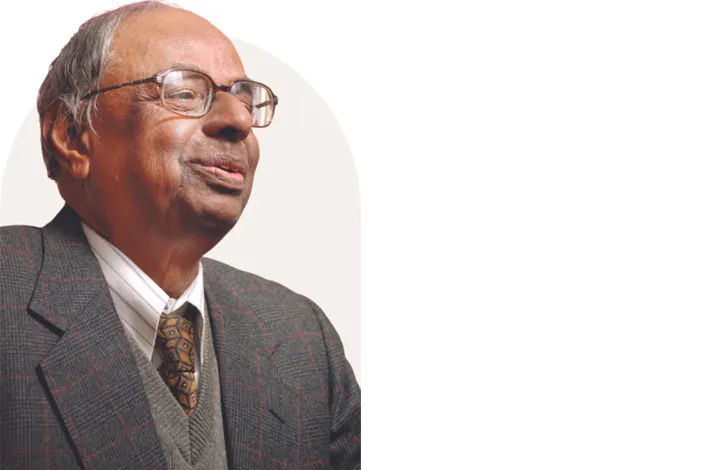
Former RBI Governor C Rangarajan on Saturday said India must recalibrate its development strategy to address global uncertainties, including the fallout of a possible prolonged blockade of the Strait of Hormuz. Speaking at the 16th convocation of the ICFAI Foundation for Higher Education in Hyderabad, he said India must build reserves of critical commodities such as oil, reduce dependence on imported energy, strengthen domestic production and focus on innovation.
Rangarajan, Chancellor of the institution, said US President Donald Trump’s unilateral tariff impositions and the US-Iran war, which led to the blocking of the Strait of Hormuz, had delivered a major shock to the global economy and international trade. The two pillars of the international trading system — consensus on tariff rates and the free movement of goods through sea routes — had been undermined, he said.
India must address these immediate challenges, which could worsen if the conflict continued. Even if a settlement was reached, similar disruptions could recur, he cautioned. In an era where “might is right” prevailed, India needed to rethink its development strategy and identify sectors that required priority for domestic production. He said self-reliance or Atmanirbhar Bharat must be understood correctly.
“Make in India should not mean blind import substitution, as happened in the first few decades after Independence. Indian industry must remain competitive. Make in India should be for the rest of the world,” he said, stressing the need to improve productivity and competitiveness alongside domestic production. Recent developments had shown that India must produce not only for domestic consumption and exports but also build reserves of critical commodities to deal with sudden disruptions. The same applied to essential imports such as crude oil, he said.
He stressed the need to substantially reduce dependence on imported energy by developing alternative sources. India must also embrace emerging technologies such as artificial intelligence and avoid falling behind, although their impact on employment remained uncertain.
Referring to India's free trade agreements with the UK and Australia and ongoing negotiations with the US and Gulf countries, Rangarajan said such agreements were necessary in the absence of free multilateral trade. However, India needed to be cautious, considering the outcomes of earlier FTAs. He called for structural reforms in factor markets and substantial investments in physical and social infrastructure.
Highlighting the importance of innovation, he cited South Korea and China, ranked fourth and 10th respectively in the Global Innovation Index, compared with India's 38th position. Their rankings reflected the strong relationship between innovation and competitiveness, he said.
Although some proposed changes might appear contrary to liberalisation, modifications were necessary because leading countries had fundamentally changed their approach to global trade. India must overcome immediate disruptions while pursuing efficient import substitution in critical sectors without compromising competitiveness, he added. Ajai Chowdhry, HCL co-founder and chief guest, urged graduates to let their aspirations exceed available resources and not allow resource constraints to limit their ambitions.