28 September, 2026 | 5:41 PM


Reporter Who Exposed Jeffrey Epstein
22-02-2026 12:00:00 AM
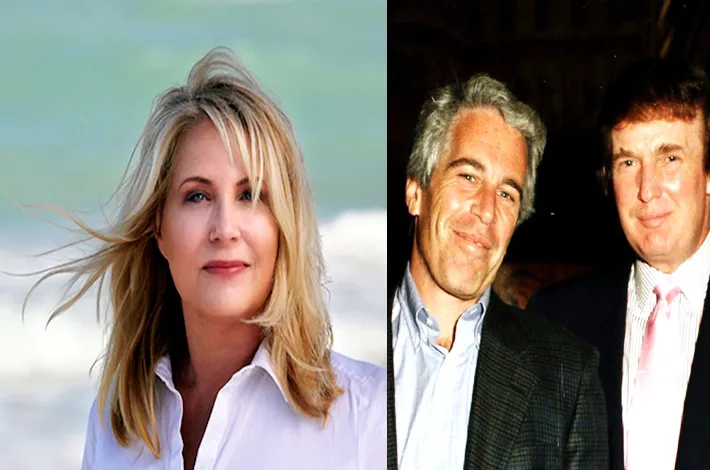
In the annals of investigative journalism, few stories have shaken the corridors of power like the Jeffrey Epstein scandal. At the center of its unraveling stands Julie K. Brown, the Miami Herald reporter whose relentless pursuit of truth not only revived a dormant case but also spotlighted systemic failures that protected the wealthy and powerful
Born Julie Knipe in 1961 in Philadelphia, Pennsylvania, Brown was raised by a single parent and left home at 16, working menial jobs before earning a B.A. in journalism magna cum laude from Temple University in 1987. Her journey from humble beginnings to becoming a journalistic force underscores a career defined by empathy for the vulnerable and dogged determination.
Brown joined the Miami Herald around 2000, after stints at the Philadelphia Daily News. Her work has long focused on justice and abuse, including a four-year investigation into Florida's prison system that exposed patterns of mistreatment, particularly of inmates with mental illnesses. This series, "Cruel and Unusual," earned her a 2014 George Polk Award for Justice Reporting. But it was her deep dive into Epstein's crimes that catapulted her to national prominence, earning her accolades and altering the course of high-profile prosecutions.
The Epstein saga began to crack open in early 2017 when Brown, compelled by the nomination of Alexander Acosta as U.S. Secretary of Labor under President Trump, revisited Epstein's 2008 plea deal. Acosta, as South Florida U.S. Attorney, had brokered an agreement allowing Epstein to plead guilty to two state-level prostitution offenses, despite evidence of sex trafficking involving minors. This deal dismissed federal charges, halted an FBI probe, and granted immunity to co-conspirators, shielding Epstein's influential network. Brown persisted through obstacles, uncovering 80 potential victims—some as young as 13 or 14—and convincing eight to share their stories publicly.
Published in November 2018 as the "Perversion of Justice" series, Brown's reporting detailed how Epstein ran a global sex trafficking pyramid scheme, targeting vulnerable teens from fractured homes and turning them into recruiters. The investigation revealed over 60 women who claimed abuse and exposed the sweetheart deal's full story. The impact was swift: a federal judge ruled the non-prosecution agreement illegal in 2019, Epstein was arrested on federal sex trafficking charges in New York on July 6, 2019, and Acosta resigned as Labor Secretary on July 12. Epstein died by suicide in his jail cell on August 10, 2019, but the fallout continued. His associate Ghislaine Maxwell was arrested in 2020, convicted in 2021, and sentenced to 20 years in prison.
Brown's work didn't stop there. She compiled her findings into the 2021 book "Perversion of Justice: The Jeffrey Epstein Story," which became a New York Times bestseller and is being adapted into an HBO limited series. Her reporting earned a second George Polk Award in 2018, the 2019 Sidney Award (shared with photographer Emily Michot), and the National Press Club's Neil and Susan Sheehan Award. In 2020, Time magazine named her one of the 100 Most Influential People. Federal prosecutor Geoffrey Berman praised her "excellent investigative journalism" for aiding the case, while Brown credited the victims as the real heroes.
Even amid acclaim, Brown faced pushback. In 2019, Alan Dershowitz, one of Epstein's lawyers, unsuccessfully tried to block her Pulitzer nomination. Her empathy for victims stemmed from personal resonance: "I could have been one of them," she told interviewers, reflecting on her own adolescent struggles.
As of 2026, Brown's vigilance persists through her Substack, "The Epstein Files," where she analyzes ongoing document releases. In a February 19 post, she reacted to Prince Andrew's recent arrest in Britain, noting, "Never in a million years did I fathom this when I resurrected the Epstein story in 2018." She has highlighted new FBI files raising questions about Donald Trump's knowledge of Epstein's activities, including a report showing Trump contacted Palm Beach police about Epstein's crimes as early as 2006. A February 17 Substack entry asserts Trump is "not exonerated," citing two allegations of sex with minors and contradictions in his statements.
Recent document dumps, including millions of pages released in early 2026, represent a "litmus test" for the justice system's protection of vulnerable citizens, Brown told WLRN in a February 13 interview. She expressed concerns about potential cover-ups under the current Trump administration, stating in a November 2025 EL PAÍS interview, "I fear the Trump administration will try to cover up for powerful men." On CNN earlier this month, she warned, "Our government is still hiding a lot about this."
Brown's revelations have also uncovered Epstein's international ties, such as emails about procuring girls in countries like Australia and Russia, and Israeli government's installation of security at an Epstein-linked apartment. Her Substack post on February 8 detailed "Jeffrey Epstein's Global Reach," emphasizing the case's far-reaching implications.
Through it all, Brown's work exemplifies journalism's power to hold the elite accountable. As victim compensation from Epstein's estate continues and legal battles persist, her ongoing scrutiny ensures the story doesn't fade. In a world where influence often silences truth, Julie K. Brown remains a beacon for justice, proving one reporter's resolve can dismantle empires of impunity.