1 October, 2026 | 1:59 AM


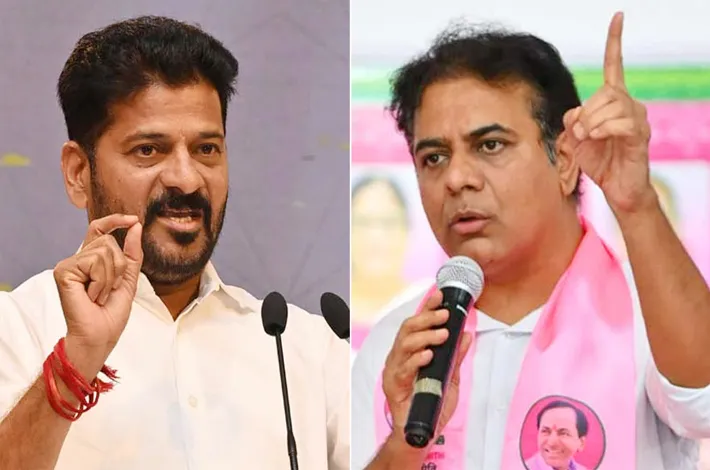
Revanth Vs KTR
10-03-2026 12:00:00 AM
Musi River Revival turns into a Fiery Face-Off
metro india news I hyderabad
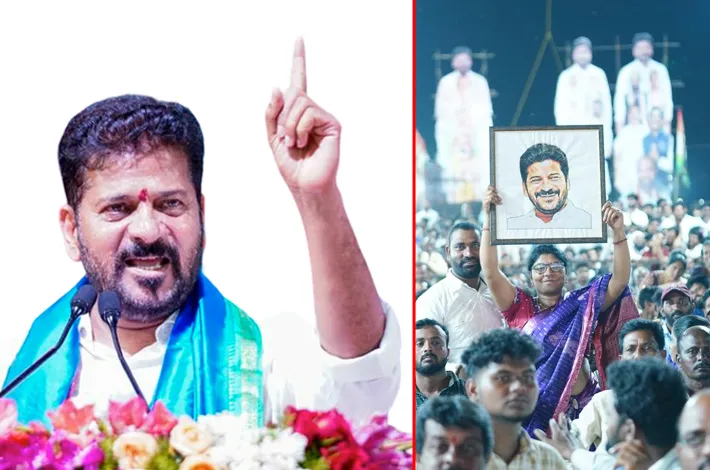
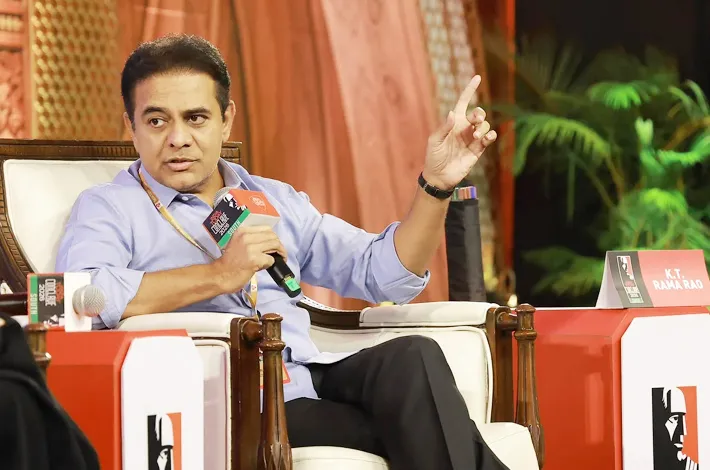
In the sweltering cauldron of Telangana politics, Chief Minister A. Revanth Reddy and BRS Working President K.T. Rama Rao are reigniting their epic feud, this time over the Gandhi Sarovar project aimed at breathing new life into the polluted Musi River.
What began as a high stakes clash during the Jubilee Hills assembly polls, where both leaders traded barbs for several days, dissecting each other's governance records, has evolved into a full-throated battle over urban renewal versus resident rights. With local body elections in the rearview mirror, the duos war of words has zeroed in on the contentious buffer zones, threatening to upend lives in upscale Hyderabad neighborhoods.
At the heart of the storm is the Madhu Park Ridge apartments in Langar Houz, a cluster of 415 units across two towers offering 2BHK and 3BHK configurations near Tipu Khan Bridge. Constructed in what Revanth deems the rivers inviolable buffer zone, these homes now face the wrecking ball as part of the Musi rejuvenation drive.
Speaking at Women's Day celebrations in Hyderabad on Sunday, Revanth did not mince words: "These apartments were built in the buffer zone itself, for which there is zero value." Yet, in a nod to empathy, he outlined a safety net: the government would deposit each units market value directly into owners bank accounts and hand over alternative land parcels, allowing residents to rebuild on their terms.
"Dont fall into the trap of political parties descending for photo ops and one hour mileage," he cautioned, a thinly veiled swipe at the opposition including BRS.
Revanth's rhetoric draws from ironclad 2012 guidelines, shaped by Supreme Court and National Green Tribunal directives. For rivers like the Musi, a 50-meter buffer on each side is sacrosanct, no constructions allowed, regardless of prior permits if they flout eco norms.
He invoked successful precedents: Delhi's Yamuna Riverfront, Uttar Pradesh's Ganga cleanup, and Gujarat's Sabarmati project. "We will demolish illegal builds as part of pollution control," he stressed, promising aid for the displaced. "Instead of obstructing, responsible voices should negotiate compensation or alternatives."
Enter KTR, the BRS firebrand, who fired back with characteristic venom just 24 hours later. Dismissing Revanth's "zero value" tag on properties, and by extension, the CM's credibility, as laughable, he quipped, "The CM has become zero, and so have his words. No one trusts or believes him anymore.
"Days earlier, KTR staged a solidarity visit to Madhu Park and nearby sites, rallying residents against what he branded a "senseless" assault. Accusing the Congress regime of morphing into a "real estate government" hell bent on property grabs, he contrasted it with BRS's tenure: "We rejuvenated the Musi without demolishing a single home. Revanth is acting like a realtor, not an administrator."
This showdown is not mere mudslinging; it is a high wire act in Telangana's polarized arena. Revanth's green push burnishes his reformer image, aligning with national eco mandates amid urban sprawl woes. Yet, it risks alienating middle class voters if demolitions proceed without seamless rehab, echoing backlash in other Indian riverfront sagas.
KTR, eyeing a BRS resurgence, positions himself as the peoples sentinel, leveraging site visits and grassroots sympathy. As buffer zone bulldozers loom, the real casualty could be public trust: will Hyderabad's river rise phoenix like, or drown in partisan quicksand? With 415 families in limbo, the Musi is not just a waterway. It is Telanganas next electoral flashpoint.