28 July, 2026 | 10:25 AM


Rupee breaches 90 mark amid unrelenting dollar demand
03-12-2025 12:00:00 AM
The market has entered a zone where even small triggers are amplifying volatility. The 90-level, in particular, attracts heavy positioning from both importers and speculators
Palazhi Ashok Kumar mumbai
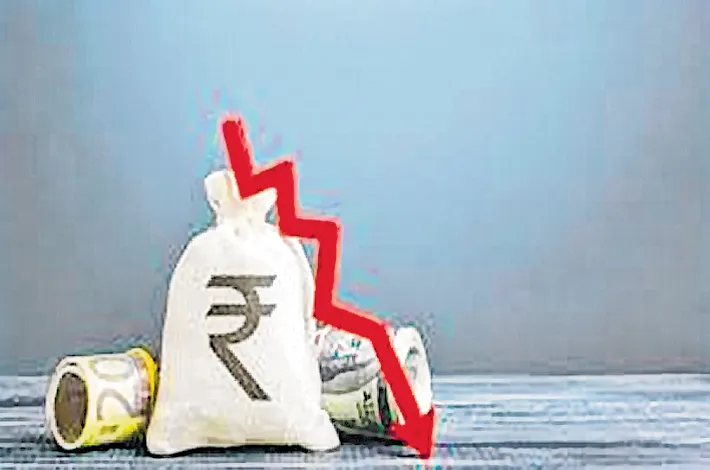
In a stark reminder of the external pressures roiling global financial markets, the Indian rupee on Tuesday plunged to an unprecedented closing low of 89.96 against the US dollar, after briefly breaching the psychologically critical Rs 90-per-dollar mark in intraday trade. The sharp slide, amounting to 43 paise, underscores a potent mix of heightened dollar demand, persistent foreign portfolio outflows, and unrelenting speculative activity.
Currency dealers opined that the sentiment in the foreign-exchange market has turned distinctly fragile, unsettled further by the lack of clarity surrounding ongoing Indo–US trade negotiations and a broader global shift toward risk aversion. “The market has entered a zone where even small triggers are amplifying volatility. The 90-level, in particular, attracts heavy positioning from both importers and speculators,” a senior dealer with a state-owned bank, said.
Despite India’s generally robust macroeconomic backdrop, the rupee has exhibited episodic phases of volatility throughout the year. After firming through April and early May 2025, the currency began a steady decline from June onwards, pressured by the imposition of steeper US tariffs, a widening trade deficit, and sustained foreign portfolio investment outflows.
Market gurus observe that these structural pressures, combined with global geopolitical tensions, have rendered the currency increasingly vulnerable to external shocks. The Reserve Bank has, however, maintained its long-standing stance on exchange-rate management: ensuring orderly market conditions without attempting to defend any specific level.
Interventions, senior officials reiterate, are aimed purely at smoothing excessive volatility rather than dictating a directional trend. “Exchange-rate flexibility remains the first line of defence,” an official noted, adding that the RBI’s approach has been consistent across cycles of depreciation and appreciation.
Last week, the International Monetary Fund reiterated that India’s de jure exchange-rate framework is that of a floating currency, though its de facto behaviour displays characteristics of a “crawl-like” arrangement under IMF methodology. The Fund clarified that such classifications are derived from backward-looking statistical models and are not indicative of any explicit policy intent or commitment.