10 October, 2026 | 1:04 AM


‘Simon Go Back’ to ‘SIR Go Back’: Why slogans matter
10-10-2026 12:00:00 AM
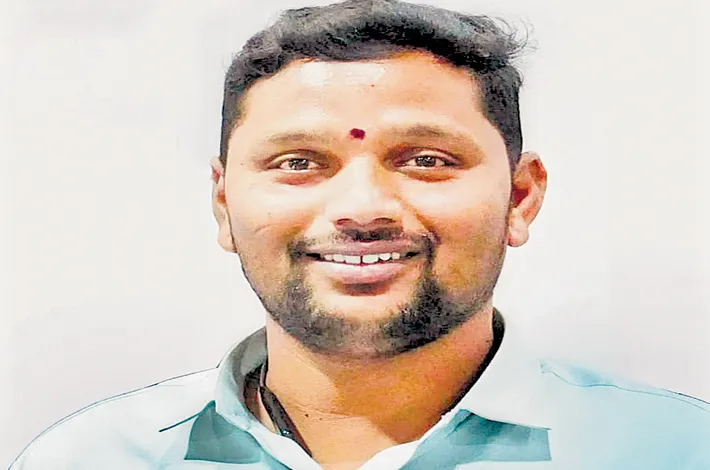
Metro India News | Hyderabad
History sometimes returns not through events, but through slogans. Nearly a century ago, India echoed with the cry of “Simon Go Back.” Today, a new political slogan, “SIR Go Back”, is being raised by opposition parties. In 1927, the British Indian government appointed the Simon Commission to examine constitutional reforms in British India. Its seven members were all British, with not a single Indian included. At a time when Indians were demanding a greater say in their own governance, the exclusion of Indians from a body deciding their constitutional future was viewed as deeply unacceptable.
When the Commission arrived in India in 1928, it was met with black flags and protests. Interesting thing is, “Simon Go Back” slogan was coined by a lesser-known hero of India’s struggle for freedom, Yusuf Meherally. The Indian National Congress and other political groups boycotted the Simon Commission, and protests spread across the country. In Lahore, on October 30, 1928, Lala Lajpat Rai led a demonstration against the Commission. Police resorted to a lathi charge, seriously injuring him. He later died from his injuries.
While “Simon Go Back” challenged the exclusion of Indians from decisions about their constitutional future, “SIR Go Back” raises concerns over the protection of voting rights. Though historically different, both slogans draw strength from questions of representation and democratic participation. Telangana Chief Minister Revanth Reddy coined and prominently used “SIR Go Back” during the ongoing protests, drawing a parallel with the historic campaign.
The Special Intensive Revision (SIR) of electoral rolls has triggered political controversy. Opposition parties fear genuine voters could be excluded, question procedural transparency and safeguards, and demand Chief Election Commissioner Gyanesh Kumar’s resignation. The Election Commission maintains that the exercise aims to ensure accurate rolls by identifying ineligible or duplicate entries. The BJP and the Commission reject allegations of political manipulation. The controversy raises a crucial democratic question: how can electoral rolls be corrected without depriving eligible citizens of their right to vote?
The comparison with the Simon Commission is therefore political, not literal. The Simon Commission was a British colonial body with no Indian representation. SIR is a contemporary electoral exercise conducted by India’s constitutional election machinery. The historical circumstances could not be more different. Yet the Opposition’s political message is clear. A voter’s name on an electoral roll is not simply an administrative entry. It is the gateway to exercising political power. If an ineligible name remains, the integrity of the electoral roll can be questioned.
Wrongful removal of a genuine voter’s name can deny a citizen the right to vote. A credible electoral system must balance accuracy with fairness through transparency, adequate notice, and accessible correction and appeal mechanisms. Every eligible voter’s rights must be protected. Democracy means ensuring citizens can vote confidently, knowing their vote is their voice. The Simon Go Back campaign helped India win freedom from British rule. What will the SIR Go Back protests achieve? Only time will tell.
(Sagar Vanaparthi is PR Team Member of Telangana Chief Minister)