8 November, 2026 | 12:01 AM


Stay Happy Stay Healthy
08-11-2026 12:00:00 AM
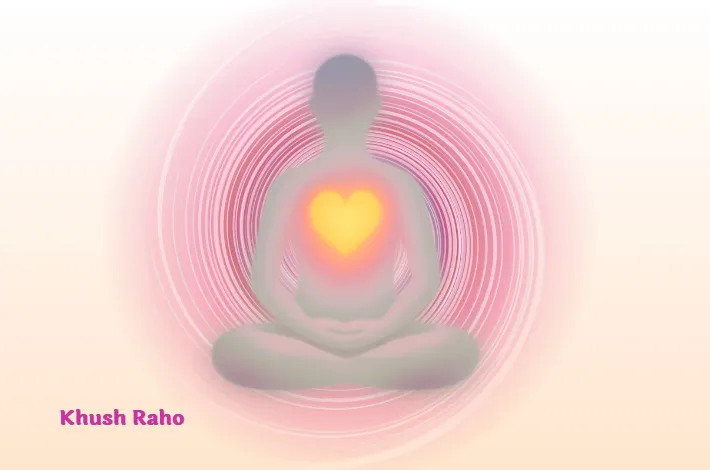
Khush Raho with Sangeeta
Blessings are woven into our culture in India. Our elders bless us, and those blessings carry positive energy. Different regions have different blessings, and the wording is shaped by the context in which it was offered. In North India, "Jeete Raho" (live long) has been a popular blessing. It is short and protective, and it was deeply tied to periods of high mortality, localised warfare, and physical hazards. Punjab and the wider north faced frequent invasions and wars, so a blessing for long life carried real weight.
In Muslim households across India, “Allah barkat de” is a blessing for abundance.
In Tamil Nadu, the blessings are varied. "Nalla Iru" (be well) and "Nallathu Varutthe" (may good things happen to you) are common. Students and professionals often receive "Yashasvi Bhava" before a major milestone, meaning may you be victorious and attain great glory.
These blessings are often given with the elder placing a hand on the head of the seeker, while the seeker touches the elder's feet or bows with a hand on the heart. In this posture, high frequency energy is transmitted to the crown chakra, and from there it can be shared with the whole physical body and the energy aura. The seeker touches the feet, the elder keeps a hand on the head, and an energy circuit is formed, allowing a flow of love, a high frequency energy into the seeker.
Of all the blessings I have ever heard, the one that resonated most with me was "Khush Raho," which I first heard from my in-laws. It means simply, be happy. The more I have contemplated this short and beautiful phrase, the more layers of wisdom I have found in it.
We speak of khushi and sukh, joy and comfort, and these are the goals most people name when asked. "I just want to be happy," they say. But happiness, as most of us experience it, is a joy that floods our hearts when we feel love, when for a moment all seems right with the world. The feeling is often fleeting. It comes rarely and leaves quickly, so we chase it. We look for the right person to spend our lives with, we buy things that promise joy, and we plan for the next thing that will make us happy.
The ancient teachers offer a different view. Happiness, they suggest, is a choice we can make. There are two things we can do. The first is to understand that chasing material things, or other people, to make us happy will only lead to a temporary feeling. The second is to see happiness as a process, a journey, or a state of being that we cultivate inside ourselves, rather than something that comes from the outside world. When we treat happiness as an inside job, we bring it into each present moment. As we radiate that loving energy outward from the heart, it begins to fill our whole life and the lives of those around us. The golden rule applies here: what we give is what we receive. The more joy we generate from within, the more joy comes to us from outside.
Osho, speaking on the teachings of the Buddha, put it this way: "You can be happy if you choose a right attitude." Lord Buddha paid much attention to right attitude and made it a foundation of his path. Osho also pointed out that if we take the world too seriously, we cannot know what happiness is. Happiness arrives when we see the world as a kind of play, as a witness.
So Khush Raho became my motto, a reminder that it is my job to build joy from within.
Until next time, Khush Raho!
Stay happy, stay healthy.
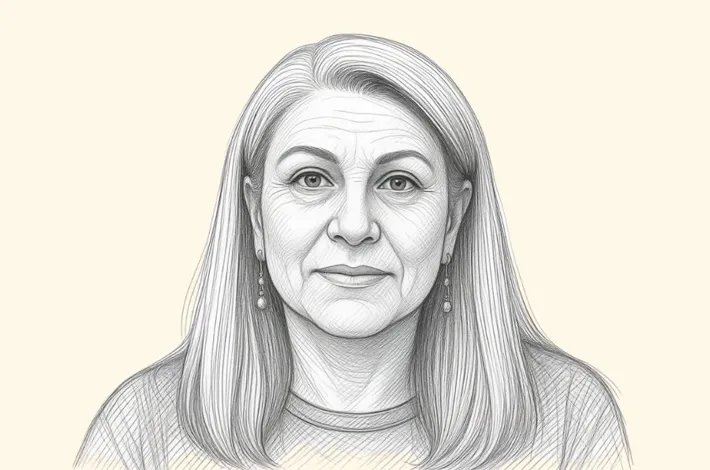
Sangeeta Bhalla
is an Energy Healer, Instructor,
Therapeutic Aromatherapist.
She can be reached
at sangeetabhalla.net