8 November, 2026 | 12:01 AM


Navigating the UGC Equity Regulations
08-11-2026 12:00:00 AM
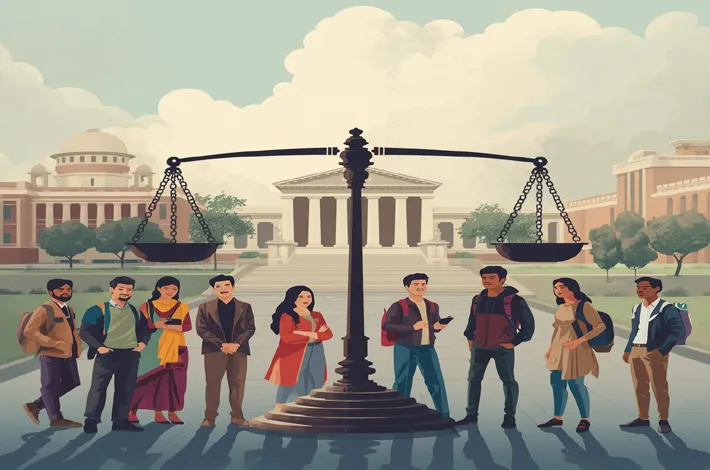
Addressing equity concerns in the higher education system requires a comprehensive approach that encompasses religious, regional, gender, caste, and socio-economic diversities within Bharat. To foster institutional inclusion, constitutional reservations in educational institutions and public employment are provided for Scheduled Castes (SCs) and Scheduled Tribes (STs). Benefits were subsequently extended to the Other Backward Classes (OBCs).
Unlike affirmative action models in the United States, Bharat permits the moderation of eligibility benchmarks to facilitate access to these benefits. However, empirical observations indicate that these advantages are frequently disproportionately accessed by the more affluent and progressive segments within that beneficiary group. In such a diverse socioeconomic landscape, systemic and perceived disparities inevitably arise. Left unaddressed, these friction points risk exacerbating polarisation among academic stakeholders.
Background
The landscape of equity and social justice in Indian higher education underwent a structural shift with the notification of the University Grants Commission (Promotion of Equity in Higher Education Institutions) Regulations, 2026. Replacing the advisory framework of 2012, these regulations introduced legally binding, enforceable mandates designed to eradicate only caste-based and institutional discrimination across university campuses. However, the deployment of this framework triggered intense public debate, widespread campus demonstrations, and a subsequent legal intervention by the Supreme Court of India.
The Inclusion of OBCs and Expanded Scope
A pivotal evolution in the 2026 regulations is the formal integration of Other Backward Classes (OBCs) alongside SCs and STs under explicit anti-discrimination protections. The scope additionally prohibits discrimination—whether explicit or implicit—predicated on religion, race, sex, place of birth, or disability.
Proponents advocate that this expansion addresses historical gaps in the 2012 framework. It establishes an intersectional approach to institutional welfare, acknowledging that marginalization manifests in subtle, covert ways across diverse academic strata.
Expedited Timelines: Upon receiving a formal grievance, the Equity Committee is mandated to convene within 24 hours and deliver its investigative report within 15 working days, requiring immediate actionable enforcement from institutional leadership.
Stringent Penalties: Moving beyond the non-binding nature of the 2012 guidelines, the 2026 regulations possess regulatory teeth. Non-compliant institutions face severe administrative sanctions, including debarment from UGC funding schemes, suspension of specific degree or online programs, or the total revocation of UGC recognition.
Backlash, Protests, and the Supreme Court Stay
Despite the progressive intent of the framework, the regulations encountered immediate resistance from general-category stakeholders and various student bodies. Critics highlighted several structurally contentious areas:
Procedural Safeguards and Frivolous Grievances: The omission of prior provisions intended to deter malicious or vexatious complaints raised significant concerns among general-category students and faculty. Apprehensions center on potential administrative misuse, reputational damage, and compressed inquiry timelines that may compromise the principles of natural justice.
Institutional Polarization: Opponents contend that the structural composition of the committees and the intensive monitoring framework risk deepening social divisions rather than fostering institutional harmony.
Consequently, on January 29, 2026, within weeks of the policy notification, the Supreme Court of India placed the regulations in abeyance.
The Path Forward
The judicial suspension of the 2026 regulations underscores the delicate policy equilibrium that must be maintained: engineering robust, enforceable mechanisms to protect all students from systemic discrimination, while simultaneously guaranteeing procedural fairness, transparency, and social cohesion for the entire campus community.
As the matter remains sub judice, the Government of India has constituted a High-Powered Committee. This body is tasked with forging a refined policy consensus informed by judicial oversight and expert consultation within the higher education sector.
The Committee is expected to formulate a balanced grievance redressal mechanism. This system must rigorously verify the veracity of complaints across all demographics (religious, gender, regional, and caste-based), ensure decisive action against verified perpetrators, and institute exemplary punitive measures against individuals or groups filing false or frivolous complaints, all within a strictly binding timeframe.
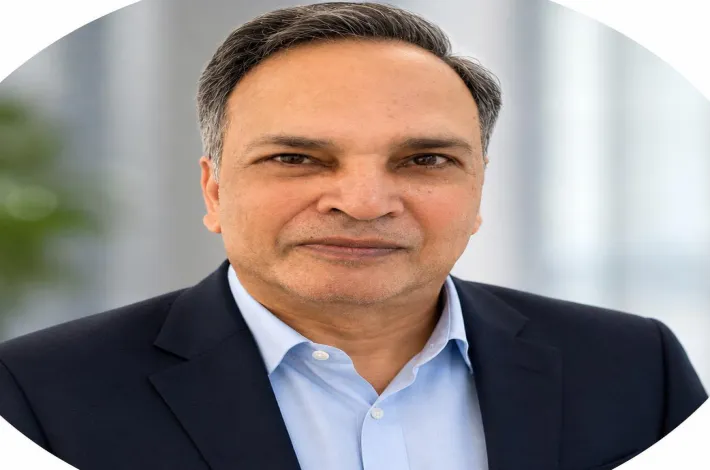
- S K Joshi served
as Chief Secretary of Telangana
from February 2018 to
December 2019