21 June, 2026 | 8:46 PM


Tariffs or tantrums?
12-01-2026 12:00:00 AM
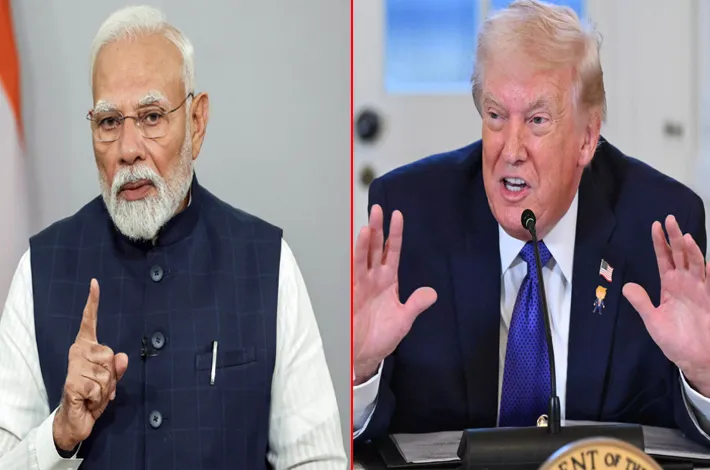
A former CEO of a renewed consumer goods firm highlighted the profound impact on multinational and Indian companies alike, predicting substantial job losses in sectors like shrimp, gems, jewelry, and textiles
The US Supreme Court is on the verge of delivering a highly anticipated verdict on the legality of President Donald Trump's broad tariffs, imposed since early 2025 under the International Emergency Economic Powers Act (IEEPA) of 1977. As of January 10, 2026, no ruling has been issued—the court did not release a decision on January 9 (its first session day of the year), despite widespread expectations. The next possible date for opinions is January 14, 2026, leaving global markets, businesses, and trading partners like India in suspense.
These tariffs have profoundly disrupted international trade, fragmented supply chains, and strained cross-border commerce. The Trump administration defended them as essential for protecting American interests, reducing trade deficits, and addressing unfair practices. Trump has touted economic successes on Truth Social, claiming the US trade deficit is at its lowest since 2009 and projecting GDP growth over 5%, crediting the tariffs directly. Over $195–200 billion in revenue has been collected since their implementation.
The core legal debate revolves around presidential authority: The Constitution assigns tariff powers to Congress, yet Trump invoked IEEPA by declaring a "national emergency" over trade deficits, national debt, fentanyl trafficking, and other issues to bypass full legislative approval. Oral arguments in November 2025 showed skepticism from both conservative and liberal justices, who questioned whether trade imbalances constitute a true emergency under the law. Lower courts had already ruled the tariffs unlawful, but they remained in effect pending Supreme Court review.
A former CEO of a renewed consumer goods firm highlighted the profound impact on multinational and Indian companies alike, predicting substantial job losses in sectors like shrimp, gems, jewelry, and textiles. He anticipated a mixed verdict: The broad 10–15% tariffs might partially stand if justices accept the "emergency" framing of economic threats, but targeted penalties (like India's 25% Russian oil surcharge) could be struck down as unjustified. Even if IEEPA is invalidated, Trump could pivot to alternatives like Section 232 (national security) or Section 301 (unfair practices), though these involve investigations and limits (e.g., 15% caps in some cases).
He urged India to play its diplomatic hand more effectively, prioritizing national interests over other considerations. He further warned of a more serious threat: Proposed congressional legislation (the Sanctioning Russia Act of 2025), which Trump has "greenlit," could impose up to 500% tariffs on countries continuing to buy Russian oil, gas, or uranium. Unlike the IEEPA case, this would come from Congress and face no direct judicial challenge here, potentially devastating India-US economic ties—America being India's largest trading partner. He called for rethinking Russian oil purchases, emphasizing that prosperity (e.g., through supply-chain models like Apple's iPhone manufacturing in India) outweighs emotional or ego-driven stances.
A former Indian ambassador assessed diplomatic ramifications. Markets bet on a 70% chance of the tariffs being struck down (based on US betting odds), as the ruling focuses narrowly on Trump's IEEPA authority—Congress holds primary power over tariffs and budgets. Even if invalidated, Trump has other tools (e.g., Section 301 or Section 122), which require processes like investigations by the International Trade Commission and often include guardrails (time limits or rate caps). Preemptive lawsuits by over 100 US companies seek refunds, potentially forcing billions back into the system and affecting Fed policy or interest rates.
An officer bearer of the Textile Association of India, described severe challenges for textiles—India's exports to the US (around $12 billion annually, part of $38 billion total) faced sudden 50% duties, forcing price cuts of 50–80% to sustain shipments. The industry has diversified to the EU, UK, Japan, New Zealand, and African markets, while boosting domestic consumption. Small-scale units struggle most with cash flow, but he expressed readiness to adapt, viewing bumpy roads as familiar in textiles. He predicted the Supreme Court would not uphold extreme measures like 500% tariffs, yet emphasized self-reliance to meet ambitious export targets (e.g., $350 billion by 2030–31).
As the world awaits the January 14 ruling, the decision will test executive power limits, separation of powers, and global alliances. For India, balancing energy needs, export goals, and US relations remains critical amid these escalating pressures. Markets could rally on refunds (potentially $150–200 billion) or face heightened volatility if upheld. Further developments will follow as the Supreme Court speaks. This is a fluid situation with significant stakes for international trade.