22 September, 2026 | 1:14 PM


Telangana revives irrigation advisory panels
08-08-2026 12:00:00 AM
- Collectors asked to help guide farmers in facing El Nino conditions
- Project levels still not so encouraging
- CM to launch state-wide distribution of new ration smart cards on August 15
metro india news I hyderabad
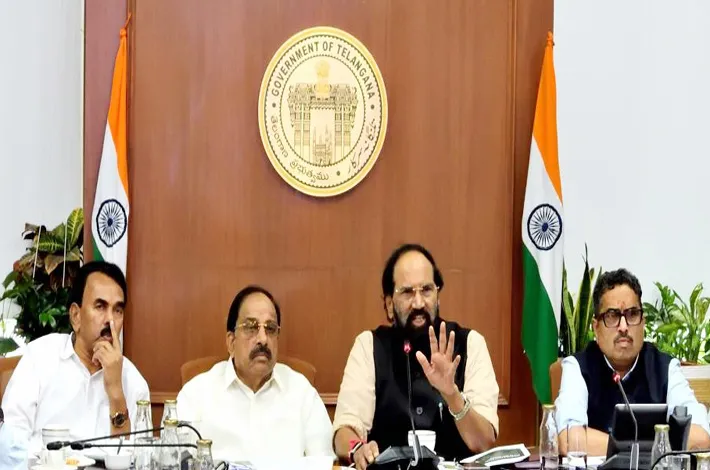
In a major administrative move, the Minister for Irrigation and Civil Supplies, N Uttam Kumar Reddy today ordered immediate revival of District Irrigation Advisory panels. Addressing Collectors through a video conference, along with Ministers Tummala Nageswara Rao and Jupally Krishna Rao, Chief Secretary and Sanjay Jaju and other senior officials, he said the panels—comprising the District Collectors, officials from the Irrigation and Agriculture Departments, elected representatives and other stakeholders—must meet before and during every crop season to assess reservoir and canal supplies and clearly advise farmers on crops that can be safely cultivated in each command area.
He asked Collectors to hold Irrigation Advisory Board meetings from the very next day wherever possible in view of the prevailing El Nino Conditions that are expected to impact rainfall across the state.
“The Irrigation advisory boards should review reservoir storage, expected inflows, local rainfall, drinking-water requirements and command-area needs and then issue clear guidance to farmers”, he stressed. The purpose, he said, was not merely to regulate irrigation releases but to ensure that every farmer received credible information before deciding what to sow or transplant.
He sounded a caution to the farmers against going in water- intensive crops including paddy during the current Kharif season under projects that received inadequate inflows so far. He directed district administrations to clearly communicate the water situation to farmers before they commit themselves to water-intensive crops. Uttam Kumar Reddy said the present reservoir levels coupled with the rainfall outlook for the latter part of the monsoon, required extremely cautious crop planning.
He said the rainfall received during the first part of August had brought some relief and could help support crops in certain command areas.
The Minister said farmers should not opt for paddy crops merely on the strength of the present spell of rains. “You may perhaps be able to support one wetting by taking advantage of the rains received during the first week of August.
“But the second wetting itself may become uncertain. Farmers should not be put to hardship two or three months later after being encouraged to take up a crop now,” he cautioned.