2 October, 2026 | 12:42 PM


The high cost of a vote in Telangana
09-02-2026 12:00:00 AM
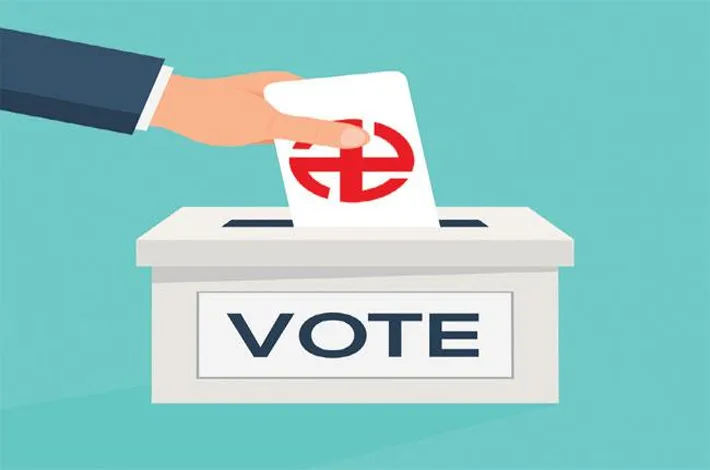
Depending on the constituency, candidates are reportedly willing to spend anywhere between Rs 500 and Rs 10,000 per voter
In Telangana, elections have increasingly become a contest not of governance or development promises but of financial clout. From the first day campaigns begin, voters are targeted with inducements—cash, alcohol, gifts, and other material benefits—turning elections into a marketplace where the highest spender often wins. Depending on the constituency, candidates are reportedly willing to spend anywhere between Rs 500 and Rs 10,000 per voter.
While the law explicitly prohibits bribing voters, including the Representation of the People Act (1951) and the Model Code of Conduct, the Election Commission (EC) faces persistent challenges in enforcement. Despite deploying flying squads, video surveillance teams, and conducting inspections, the flow of money and other inducements to voters rarely stops. Allegations of distributing cash to voters are widespread, yet official seizures capture only a fraction of what is actually spent. Suspicion grows daily that cash, alcohol, and other goods reach voters’ homes through underground channels, raising doubts about the efficacy of EC monitoring and transparency.
Vote rates determined by competition
Political observers note that the “rate” for a vote varies depending on the intensity of competition and constituency type. In rural constituencies, candidates reportedly offer between Rs 3,000 and Rs 5,000 per voter,
while urban voters may receive Rs 5,000 to Rs 10,000 each. In by-elections, parties often go to extreme lengths, ready to spend any amount to secure a win. For example, in a constituency with 2 lakh voters, with an average inducement of Rs 5,000 per vote, total expenditure could reach Rs 100 crore. Across 119 constituencies, the total outlay could run into thousands of crores.
Candidates do not rely solely on cash; they also distribute goods such as alcohol bottles, chicken or mutton biryani packs, clothes, sarees, mobile phones, and gift hampers. These items, while unaccounted for in official cash records, influence voter behavior significantly. Distribution is carried out in small amounts, through multiple intermediaries, using bikes, autos, and private vehicles to avoid detection.
Seizures fail to reflect reality
Data from previous Telangana elections underscores a vast gap between spending and official action. In the 2018 assembly elections, the EC seized Rs 103 crore; in 2019 parliamentary elections, Rs 50 crore; in the 2023 assembly polls, around Rs 700 crore; and in the 2025 Jubilee Hills by-election, Rs 34 crore. In reality, candidates reportedly spend between Rs 5,000 crore and Rs 10,000 crore per election in Telangana alone. This discrepancy has raised serious concerns over the effectiveness of EC monitoring.
Why detection remains weak
Despite rigorous inspections, enforcement remains limited due to structural and operational challenges. Flying squads often operate without timely intelligence, political pressures influence distributors, and local-level agreements compromise vigilance. Even when cases are registered, lack of evidence weakens prosecution, leaving most suspicious cash unproven as bribery. Consequently, while large sums change hands, few candidates face disqualification or jail.
Oversight and transparency under scrutiny
Critics argue that systemic gaps in monitoring, opaque political funding, and paper-based expense reporting have weakened electoral accountability. Allegations of widespread vote-buying and minimal seizures highlight that the issue lies not just in money but in enforcement. Analysts warn that without stricter oversight, elections without financial inducements may remain unattainable, and voter rights continue to be undermined. In Telangana, with thousands of crores spent but only hundreds of crores officially seized, it is evident that loopholes in the supervision system, not the money itself, remain the core challenge to fair and transparent elections.