16 October, 2026 | 11:50 PM


US Supreme Court strikes down Trump tariffs, refund battle begins
22-02-2026 12:00:00 AM
Metro India News | WASHINGTON
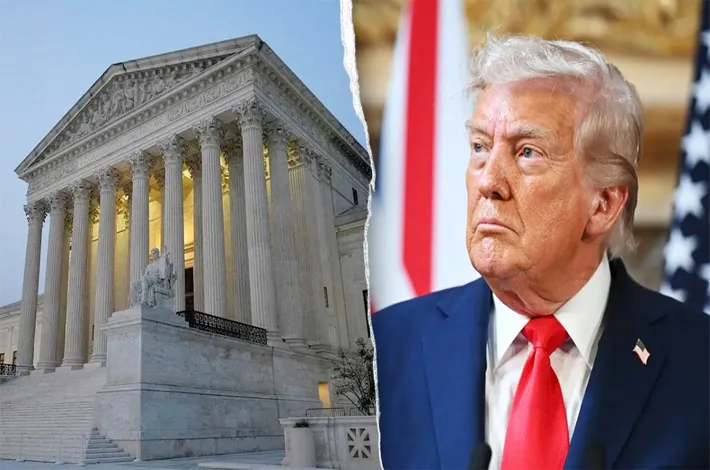
The US Supreme Court has struck down former President Donald Trump’s sweeping import tariffs, triggering a massive legal and financial challenge over the refund of nearly 133 billion dollars already collected by the government.
In a 6-3 ruling, the court held that Trump improperly used the 1977 International Emergency Economic Powers Act to impose double-digit tariffs on nearly every country. The justices ruled that taxing imports is a power reserved for Congress, not the president under emergency authority. The decision marks a major setback for Trump’s trade agenda.
However, the court left unresolved a crucial question: what happens to the billions already collected? US Customs and Border Protection has gathered about 133 billion dollars in tariffs as of mid-December. Trade lawyers say companies that paid the import duties are likely to seek refunds, but the process could be long and complicated.
Legal experts suggest the refund mechanism may involve the US Customs agency, the Court of International Trade in New York and other lower courts. Attorneys warn that managing thousands of refund claims worth tens of billions of dollars could overwhelm the system. While there is an existing process for refunding duties in cases of error, officials have never handled claims of this scale.
Several major companies, including Costco, Revlon and Bumble Bee Foods, had already filed lawsuits seeking refunds even before the Supreme Court ruling. More litigation is expected, possibly lasting years, as businesses position themselves to recover losses.
Consumers, however, are unlikely to see direct refunds. Economists note that higher prices paid during the tariff period would be difficult to trace back to specific import taxes. Any refunds are more likely to benefit importers rather than households.
Political leaders have also entered the debate. Illinois Governor JB Pritzker has demanded refunds on behalf of 5.11 million households in his state, estimating the tariffs cost each household 1,700 dollars. Nevada Treasurer Zach Conine has similarly requested 2.1 billion dollars in reimbursement for his state. Experts estimate that even if refunds are approved, payments could take 12 to 18 months to process, setting the stage for prolonged legal and economic uncertainty.