21 October, 2026 | 7:25 PM


Whispers in the corridors Jaju’s dilemma!
21-07-2026 12:00:00 AM
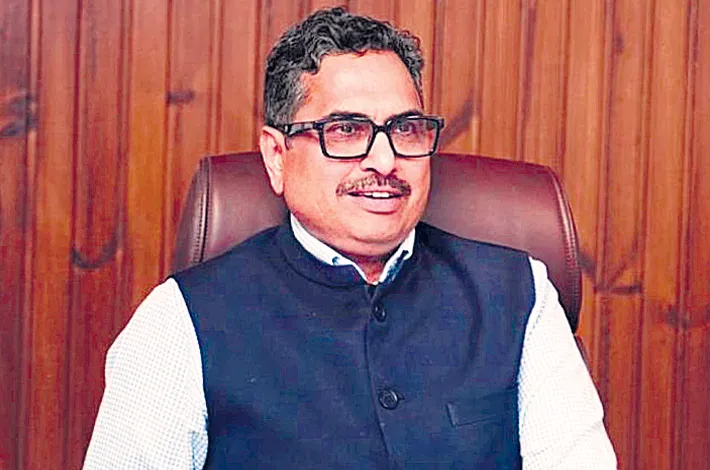
Can senior IAS Bridge the coordination gap?
Sources in the Secretariat say there is a perception that some officers who had expected to be in the race for the top post are now less enthusiastic in key administrative processes
Metro India News | Hyderabad :The appointment of Sanjay Jaju as the Chief Secretary of Telangana has triggered intense discussion within the State's administrative circles, with reports suggesting that the new leadership has altered the dynamics among senior IAS officers. While no official differences have surfaced, Secretariat sources say there is growing speculation that the expected level of coordination between the new Chief Secretary and some senior bureaucrats has not yet fully developed, leading to concerns over its possible impact on governance.
According to officials, one of the main reasons behind the ongoing discussion is Jaju's tenure as Chief Secretary, which extends until February 2029. With more than two-and-a-half years of service remaining, his appointment has effectively ended the prospects of several senior IAS officers who were considered contenders for the State's top bureaucratic post. Administrative circles believe this has led to disappointment among some officers, as the opportunity to become Chief Secretary during their remaining service has virtually disappeared.
Sources in the Secretariat say there is a perception that some officers who had expected to be in the race for the top post are now less enthusiastic in key administrative processes. Discussions within official circles suggest that the earlier level of coordination in high-level meetings, inter-departmental consultations and the handling of important files is not being witnessed to the same extent. There is also speculation that some senior officers feel their views are not being adequately reflected in certain decisions taken by the new Chief Secretary. Though these remain unconfirmed discussions within bureaucratic circles, they have raised questions over whether teamwork at the highest level of the administration has been affected.
Another factor being cited is Jaju's long association with the Central government. He spent nearly 12 years serving in various key positions in New Delhi, gaining extensive experience in national policymaking and administration. However, former bureaucrats point out that State administration presents different challenges, requiring a detailed understanding of district-level governance, local issues, regional political dynamics, coordination with public representatives and department-specific priorities. They believe such familiarity takes time to develop after a prolonged stint in the Central government.
Administrative experts say the experience and institutional knowledge of senior IAS officers currently serving in Telangana will be crucial in assisting the new Chief Secretary during this transition. They stress that effective coordination among top bureaucrats is essential for maintaining administrative efficiency and ensuring smooth implementation of government policies.
The issue is also viewed as significant for the State government, which is simultaneously pursuing major initiatives, including attracting investments, industrial development, the Musi River rejuvenation project, Metro Rail expansion, irrigation projects and welfare programmes. Former bureaucrats have often maintained that even minor coordination gaps at the highest administrative level can slow decision-making, delay file clearances and affect project execution. While the reported differences remain part of internal discussions and have not been officially acknowledged, observers believe the coming months will indicate whether the speculation subsides, whether the new Chief Secretary succeeds in building a cohesive administrative team and whether senior officers work in greater coordination to advance the government's priorities.