24 October, 2026 | 11:12 AM


AC makers wary as rains dampen early summer demand
23-03-2026 12:00:00 AM
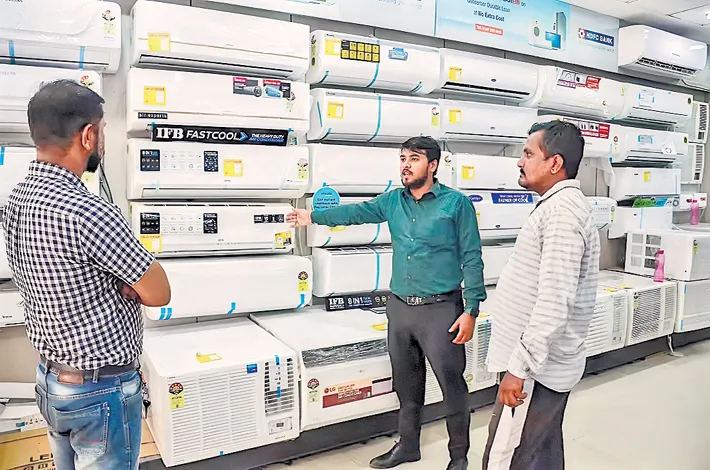
Air-conditioner manufacturers are adopting a cautious approach after unseasonal rainfall across several parts of India disrupted the usual early summer demand cycle, which is critical for sales growth.
March typically marks the beginning of strong demand for cooling products, but erratic weather linked to western disturbances has created uncertainty in the market. Industry executives, however, remain hopeful that rising temperatures in April will revive demand.
Companies are also grappling with rising input costs due to geopolitical tensions in West Asia. Prices of key raw materials such as plastics have increased, while higher freight costs are adding to the burden. Manufacturers have already implemented price hikes earlier this year following new energy labelling norms and are now preparing for another round of increases from April, estimated at 5-10 per cent.
Supply-side challenges are compounding concerns. Reduced availability of LPG gas for industrial use is affecting production, particularly in processes like paint drying in AC manufacturing. Industry players warn that if the situation persists, output could decline significantly during peak season.
The impact is expected to extend beyond ACs, with prices of appliances like washing machines likely to rise by 10-12 per cent due to higher plastic costs. While the industry anticipates growth over last year, executives are not expecting a repeat of the record demand seen in 2024. The Indian room air-conditioner market, estimated at around 13.5 million units, is likely to see intense competition as companies vie for market share after a subdued 2025.