20 October, 2026 | 9:49 AM


‘AI will be India’s next Y2K moment, no threat to jobs’
27-02-2026 12:00:00 AM
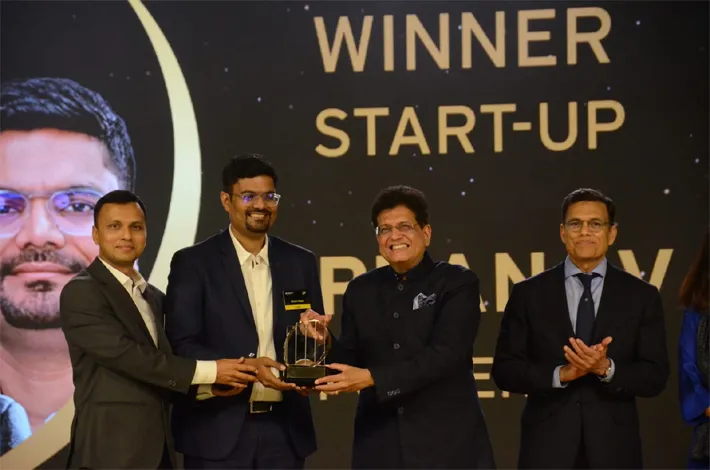
Just like the Y2K moment, when many feared the sky would fall, India gained immense opportunity. After January 1, 2000, Indian IT never looked back. I see AI as a similar turning point
Metro India News | mumbai
Commerce and Industry Minister Piyush Goyal on Wednesday sought to allay fears over job losses in India’s IT sector due to artificial intelligence (AI), asserting that the technology revolution would instead create new opportunities for Indian companies and professionals.
Addressing an award event organised by Ernst & Young (EY) in Mumbai, Goyal said he was “not worried at all” about AI’s adverse impact on employment. He stressed that while the nature of jobs will evolve, human talent and skills will remain central to growth.
Drawing a parallel with the Y2K crisis at the turn of the century, the minister said India had emerged stronger from that global technological disruption. “Just like the Y2K moment, when many feared the sky would fall, India gained immense opportunity. After January 1, 2000, Indian IT never looked back. I see AI as a similar turning point,” he said.
His remarks come amid rising concerns about the future of the USD 315-billion Indian IT industry, which supports nearly 60 lakh jobs, following rapid global investments in AI technologies. The comments also follow discussions at the recent AI Impact Summit held in New Delhi.
Goyal described AI as a powerful revolution for the better, stating that increased engagement with technology would require more human skills. “The more we engage with technology, the more we will need human talent. New opportunities will open up,” he said.
He added that AI would unlock better profits, high-value assignments and increased exports for India, particularly benefiting the country’s 23 lakh science, engineering, technology and mathematics graduates annually.
Linking technological growth with trade expansion, the minister highlighted that India has signed or announced nine free trade agreements (FTAs) recently and now has trade pacts with 38 developed nations contributing two-thirds of global GDP. These agreements, he said, would help integrate India into global value chains and innovation networks.
Emphasising openness, Goyal said no country has become developed by isolating itself. Referring to China, he said India seeks progress with strong value systems and humane development.
At the same event, industrialist Sajjan Jindal urged India to learn from China’s rapid infrastructure expansion, citing delays in the bullet train project as an example.