14 September, 2026 | 1:00 AM


Ash pollution chokes villages in Kothagudem
29-07-2026 12:00:00 AM
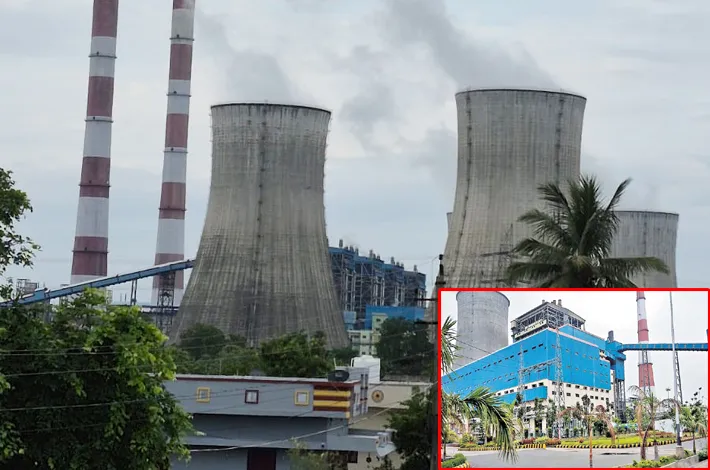
According to villagers, a thin layer of ash covers rooftops, courtyards and household surroundings almost every day. Women complain that cleaning ash has become a routine chore with fine particles entering homes
Metro India News | BHADRADRI KOTHAGUDEM
Villages located along the Manuguru–Pinapaka border in Bhadradri Kothagudem district are grappling with severe ash pollution allegedly caused by emissions from the Bhadradri Thermal Power Station (BTPS). Residents say fine ash released from the power plant has become a daily hazard, settling on homes, drinking water sources, food items and agricultural fields, while raising serious concerns over public health and environmental safety.
According to villagers, a thin layer of ash covers rooftops, courtyards and household surroundings almost every day. Women complain that cleaning ash has become a routine chore, with dust and fine particles entering homes despite repeated efforts to keep them clean. Farmers also fear the continuous deposition of ash on standing crops could affect agricultural productivity.
Residents claim the pollution is contributing to a rise in respiratory ailments, particularly among children and the elderly. Cases of persistent cough, asthma, eye irritation, skin allergies and breathing difficulties are reportedly increasing, forcing many villagers to seek medical treatment. They fear prolonged exposure could result in more serious health complications if immediate measures are not taken.
Locals allege that the absence of an effective green belt around the thermal power station has worsened the situation. Environmental safeguards such as dense plantation around the plant and proper maintenance of ash ponds are either inadequate or not being implemented effectively, they say. Villagers also claim that insufficient water sprinkling at ash disposal sites allows fine ash to become airborne during windy conditions. The affected communities have urged the Telangana Pollution Control Board and the plant management to take immediate corrective action. They have demanded regular water sprinkling at ash ponds, development of a dense green belt around the plant, and the organisation of special medical camps in pollution-affected villages. Residents say urgent intervention is essential to protect public health and prevent further environmental damage.