20 October, 2026 | 5:08 PM


Basmati rice gains as West Asia export hopes revive
16-06-2026 12:00:00 AM
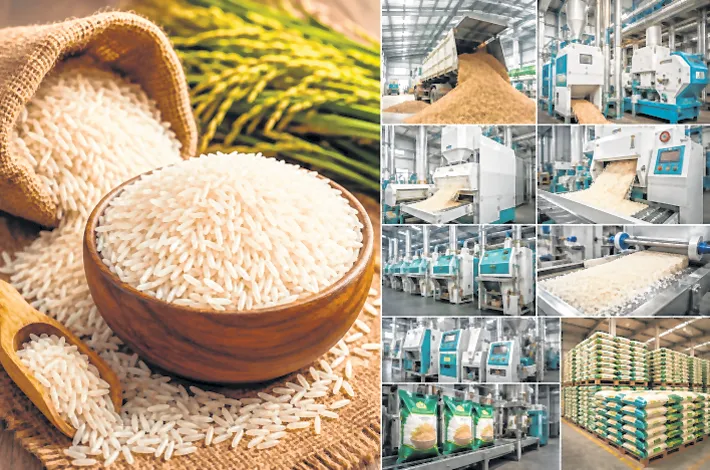
Peace deal may revive West Asia demand, lower shipping costs and boost Indian basmati rice exports, supporting prices in key markets
Prices of 1409 basmati rice rose in Navi Mumbai’s Vashi market on Monday as traders turned optimistic about a possible recovery in exports to West Asia following reports of a peace agreement between the United States and Iran.
Market participants said easing geopolitical tensions could lower shipping costs and improve trade flows to key importing countries in the region, supporting demand for Indian basmati rice.
The price of the 1409 basmati variety increased by ₹100 per 100 kg to ₹9,500-9,600 per 100 kg. However, prices of other popular basmati varieties remained unchanged. The 1121 variety traded at ₹10,000-10,200 per 100 kg, while the 1509 variety was steady at ₹8,200-8,300 per 100 kg.
Traders said Indian basmati exports to West Asia had faced pressure in recent months due to higher freight costs and disruptions linked to tensions around the Strait of Hormuz, one of the world’s most important shipping routes.With hopes of normalisation in the region, exporters expect transportation costs to ease and shipments to improve. West Asian countries account for a significant share of India's basmati rice exports, making developments in the region crucial for market sentiment.
Meanwhile, wheat prices showed a mixed trend across major markets. In Indore, Madhya Pradesh, wheat prices rose by ₹20 to ₹2,590 per 100 kg due to improved need-based demand from millers and traders. However, market participants said ample supplies are likely to prevent any sharp or sustained increase in prices.
In Vashi, wheat prices remained steady at ₹2,700 per 100 kg amid subdued trading activity. Maize prices were also largely unchanged. In Indore, maize traded at ₹2,175 per 100 kg as demand remained balanced with supply. Traders said the market is closely tracking monsoon progress, as delayed rainfall and concerns over deficient precipitation could influence sowing decisions and crop acreage in the coming weeks. —Informist