23 October, 2026 | 11:38 AM


Free bus scheme promo turns controversial
17-08-2026 12:00:00 AM
The episode is a reminder that in the age of social media, political PR can no longer be controlled once a carefully selected testimonial enters the public domain
metro india news I AMARAVATI
What was meant to be a celebratory showcase of Andhra Pradesh’s Stree Shakti free bus travel scheme has unexpectedly turned into a political and social-media controversy, after a woman who described herself as a software professional told Chief Minister N. Chandrababu Naidu that the scheme had influenced her decision to move from Hyderabad to Visakhapatnam and was helping her save around Rs 3,000 a month.
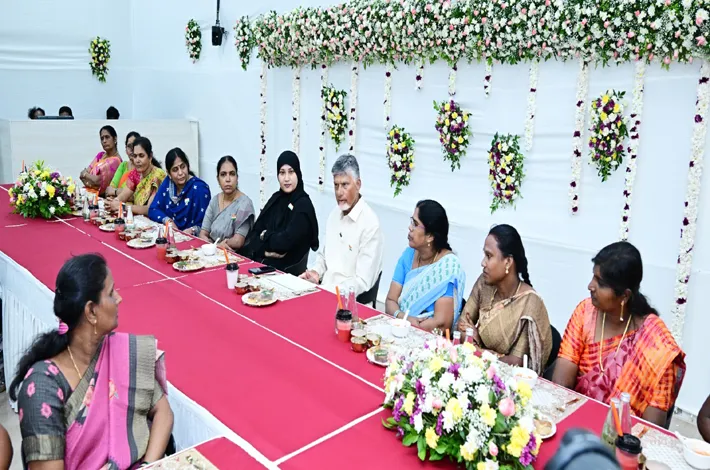
The interaction took place during Saturday’s one-year anniversary celebrations of Stree Shakti, when Chandrababu travelled with women beneficiaries in an APSRTC Palle Velugu bus and later interacted with some women about the impact of free travel at his camp office. The government says the scheme has enabled 87 crore free journeys in its first year, with around 24 lakh women travelling every day. But one particular interaction has now taken a life of its own on social media. In the widely circulated video, the woman says she had shifted from Hyderabad to Visakhapatnam and travels daily between Vizianagaram and Visakhapatnam, with free bus travel helping her save roughly Rs 3,000 a month. The narrative fitted perfectly into the government’s larger argument that Stree Shakti is not merely a welfare subsidy but can influence women’s mobility, employment and household finances.
Instead, the clip has triggered questions over the authenticity and spontaneity of the interaction. Social-media users have begun scrutinising the woman’s online presence, with some identifying her as a social-media influencer and questioning whether she was brought into the programme specifically to present a favourable beneficiary story before the Chief Minister. Others have questioned the economic logic of highlighting a software professional, presumably earning a regular salary, as a representative beneficiary of a publicly funded free-travel scheme. There is, however, no publicly established evidence at present that the woman was scripted, hired or specifically planted for the interaction. The authenticity of the allegations circulating online therefore remains unverified.
Now a bigger political question- has the government’s welfare communication machinery begun using influencers and curated beneficiary interactions as part of its political public-relations strategy? If that is the case, the episode illustrates the risks of a government campaign becoming too tightly choreographed. A welfare scheme can have genuine beneficiaries, but once a testimonial is perceived as manufactured, the credibility of the entire communication exercise can come under scrutiny. A fisherwoman from Kakinada reportedly told the Chief Minister that she saves around Rs 4,000 a month. A handloom worker from Anantapur spoke about being able to travel independently to procure raw material and market her sarees. A student spoke about reduced educational expenses. Are these real or reels?