5 October, 2026 | 5:26 AM


BC assertion signals political and social shift in Telangana
06-04-2026 12:00:00 AM
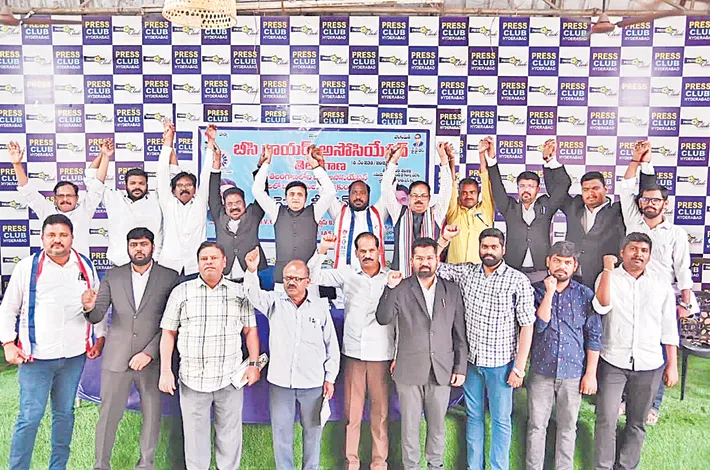
Hyderabad: A new chapter is unfolding in Telangana’s social and political landscape: the rise of BC consciousness. What began on limited platforms now spans village panchayats, legislative halls, student movements, and legal forums. This is no longer a slogan but a movement asserting self-respect, social awakening, and political ambition.
Recent Assembly sessions highlight this shift, with MLAs and MLCs raising unprecedented questions on BC budget allocations. BCs are emerging not merely as a voting bloc but as a force shaping policy. This change is the result of sustained mobilisation over the last two years, with communities recognising their numerical strength, economic contribution, and cultural presence. The demand has evolved from rights to power.
Grassroots victories in panchayat and municipal elections reflected early signs of this shift. These leaders are now poised to influence the future of state politics. The legal profession has also witnessed this transformation: in recent Bar Council elections, 9 out of 23 seats went to BC candidates, including two Muslim BCs, while BC representation in Bar Associations reached nearly 60%. Strong competition extended counting to second preferences, reflecting organisational strength and political awareness.
Platforms like the OBC Lawyers JAC, BC Intellectuals Forum, and leaders such as T. Raju and Ponnam Devaraju have played key roles in building momentum.
This trend signifies more than electoral success. BC assertion is expanding into professional spaces, consolidating socially, and pointing to potential political realignments. Historical patterns show that numerical strength, consciousness, and organisation often lead to political power—a trajectory now visible across education, employment, business, law, and governance in Telangana.
Challenges remain: internal divisions, sub-caste rivalries, political co-option, and a lack of unified ideology. Unity and a broader social agenda encompassing education, healthcare, economic empowerment, and cultural dignity are crucial to sustaining the movement.
The BC youth are no longer waiting for opportunities—they are creating them. From enabling power to exercising it, this ongoing assertion signals a deep social transformation. The strong presence of BCs in Bar Council and Bar Association elections is a clear indication: leadership across sectors and political influence is no longer a distant aspiration but a reality in the making.