18 October, 2026 | 11:34 AM


Be Not Afraid of SIR
25-06-2026 12:00:00 AM
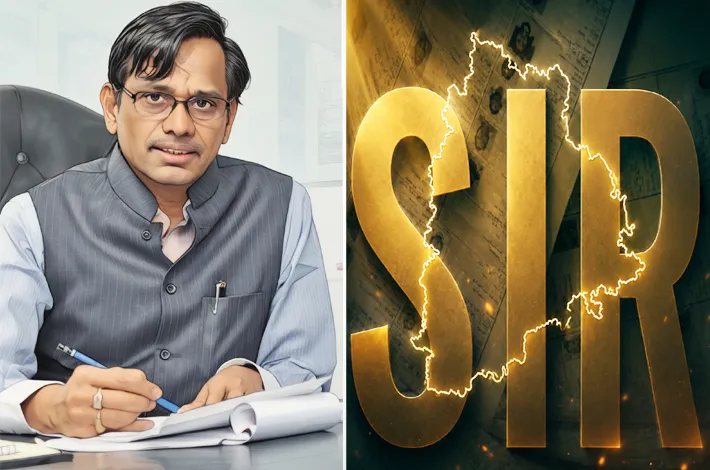
Special Intensive Revision (SIR) of electoral rolls gains momentum amid debate over electoral integrity
The SIR seeks to ensure that no eligible citizen is left out while no ineligible person is included
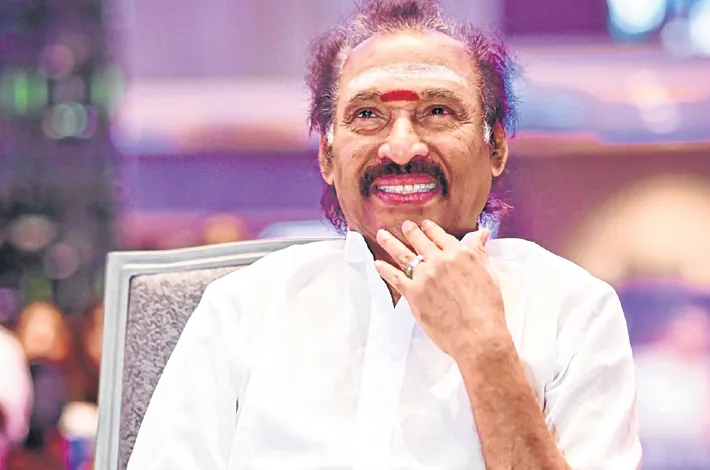
CL Rajam Chairman
The Election Commission of India (ECI) is pressing ahead with Phase III of the Special Intensive Revision (SIR) of electoral rolls across 16 states and three Union Territories, aiming to create cleaner, more accurate voter lists ahead of future elections. The exercise, which emphasizes house-to-house verification, has sparked sharp political debate. Supporters view it as essential to removing bogus voters and illegal immigrants, while critics raise concerns about potential disenfranchisement of legitimate citizens.
The SIR seeks to ensure that "no eligible citizen is left out while no ineligible person is included," according to the ECI. With India's electorate exceeding 968 million in the 2024 Lok Sabha polls, maintaining roll integrity amid rapid urbanization, migration, and demographic shifts has become a formidable challenge. Officials point to significant changes since the last major intensive revision around 2004, including duplicate entries, deceased voters, and shifted electors.
A key rationale cited by proponents is curbing illegal immigration, particularly from Bangladesh and Pakistan. Reports and government statements have highlighted cases where undocumented migrants obtain voter IDs, ration cards, and Aadhaar through fraudulent means, often with alleged encouragement from certain political groups seeking vote banks. These individuals reportedly enter through porous borders, settle in various states, and spread nationwide. In border areas and states like Bihar and West Bengal, drives have identified thousands of suspect entries for deletion.
In Bihar, for instance, over 65 lakh entries were flagged for potential deletion in earlier phases. Nationwide estimates of illegal Bangladeshi immigrants have historically ranged from 10-20 million according to various statements, though precise verified figures remain contested. Proponents argue that such inclusions distort electoral outcomes and strain resources meant for citizens.
Opposition leaders from parties including Congress, TMC, CPI(M), SP, DMK, and RJD have criticized the process, alleging it targets minorities and vulnerable groups, potentially serving as a backdoor citizenship test. Activists warn of risks to migrant workers, women, and the poor who may lack easy access to documents. Some claim the timing, close to elections in certain states, favors the ruling dispensation. However, the Supreme Court upheld the ECI's powers under Article 324 of the Constitution in May 2026, affirming that the exercise advances free and fair elections.
ECI officials stress that genuine citizens have nothing to fear. Those whose names are missing or incorrect can approach Electoral Registration Officers (EROs) during claims and objections periods to rectify details. Enumeration forms are being distributed widely, with no initial documents required in many phases—proof can be submitted later. The focus, they say, is on ineligible inclusions, such as non-citizens or duplicates.
Technological and Policy Enhancements
Experts advocate deeper integration of technology. With India's advanced digital infrastructure, proposals include linking Biomedical IDs or biometrics comprehensively to Voter IDs.
Many suggest mandatory or voluntary linkage with Aadhaar cards, already enabled by the Election Laws (Amendment) Act, 2021. This could reduce duplicates, enable remote voting for migrants, and streamline verification while safeguarding privacy through established protocols. Pilot projects in the past demonstrated potential for purification, though full-scale implementation requires careful safeguards.
Data from ongoing SIR phases shows high form distribution rates—for example, in Manipur, over 98% of forms were distributed with substantial digitization. Similar progress is reported elsewhere, covering tens of crores of electors in this phase alone.
Common citizens are urged to participate actively. BLOs (Booth Level Officers) conduct door-to-door visits. Draft rolls will be published for public scrutiny, followed by claims and objections. The process aims for final publication later in 2026 in many areas.
Critics, including some civil society groups, highlight implementation challenges: short timelines, document requirements that burden the underprivileged, and risks in high-migration or minority-heavy areas. Supporters counter that periodic intensive checks are standard democratic practice globally to preserve one-person-one-vote integrity and deter foreign interference in elections.
The debate underscores deeper tensions: balancing inclusion with exclusion of fraud, federal dynamics, and technology's role in democracy. As enumeration continues, participation from all stakeholders will determine the exercise's success in strengthening India's electoral foundation.
History of the SIR exercise in India
The roots of intensive electoral roll revisions trace back to India's first general elections in 1951-52. The nascent Election Commission undertook massive house-to-house enumeration to register over 173 million voters in a newly independent, largely illiterate nation. Early intensive revisions occurred in 1952-56, 1957, 1961, 1965, and 1966, creating fresh rolls without heavy reliance on prior lists.
Annual or pre-election revisions continued, but resource constraints led to shifts. Intensive revisions were conducted in phases like 1983-84, 1987-89, 1992, 1993, and 1995, often introducing reforms such as the Electors Photo Identity Card (EPIC). A major "special revision of intensive nature" ran from 2002-2004, allowing corrections, additions, and deletions alongside verification. This was the last widespread intensive effort before the current wave.
Thereafter, the ECI moved primarily to Summary Revisions (annual updates with 1st January as qualifying date), supplemented by targeted drives. By the 2010s-2020s, concerns over duplicates, deceased voters (estimated in millions cumulatively), and illegal inclusions grew amid urbanization and cross-border movements. Aadhaar linkage pilots faced legal hurdles but gained statutory backing in 2021.
The modern SIR resurgence began in earnest with Bihar in 2025 ahead of assembly polls, expanding in phases. By 2026, it covers multiple states/UTs including Andhra Pradesh, Maharashtra, Karnataka, Odisha, Delhi, and others. The ECI cites two decades without intensive nationwide verification as justification. The Supreme Court's endorsement has cleared legal pathways, though political and implementation debates persist.
This evolution reflects India's democratic maturation—from foundational enumeration to tech-enabled purification—while navigating the perennial challenge of inclusive yet accurate voter rolls.
In a democracy like ours, people are the ultimate Owners. It is the people with proper voting rights who choose their leaders who should govern this country. Hence, every genuine citizen should exercise their vote to decide who would govern the country. It is therefore essential that only genuine people should vote and elect their government. Vote is a sacred right, the very breath of a vibrant democracy.