13 September, 2026 | 3:05 AM


Bhu Bharati replaces Dharani
19-12-2024 12:26:02 AM
metro india news I hyderabad :
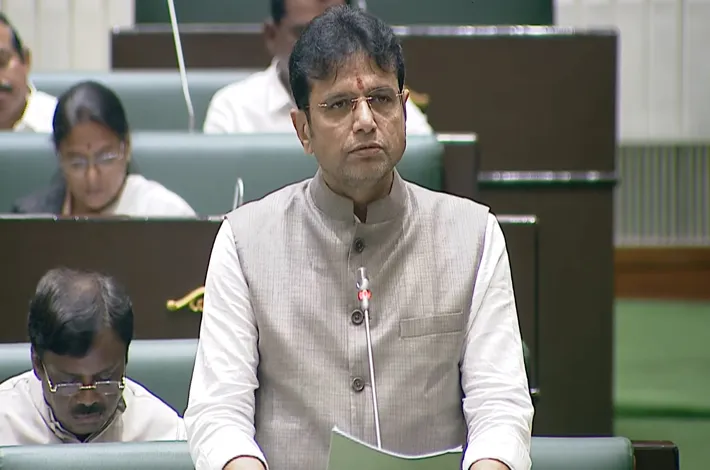
The Telangana Revenue Minister Ponguleti Srinivas Reddy introduced the Bhu Bharati-2024 Bill in the Telangana Assembly on Wednesday. Highlighting the state’s commitment to protecting land rights, the Minister described the bill as a transformative step in resolving decades-old land issues and safeguarding the rights of the common people.
Minister Srinivas Reddy emphasized, “The Bhu Bharati-2024 Bill is not just a legislative reform but a promise to our people. This visionary framework replaces the outdated and controversial Dharani system, addressing its shortcomings while ensuring transparency, equity, and justice in land management.”
Minister Srinivas Reddy highlighted the failures of the 2020 Dharani system, stating that it created over a million unresolved issues, disrupted human relationships, and left many landowners voiceless. “The Dharani system, imposed without public consultation, harmed more than it helped. We are correcting these mistakes with Bhu Bharati,” he added.
The Minister revealed that Bhu Bharati was crafted after extensive public consultations, including feedback from farmers, retired officials, and experts across 18 states. Recommendations given by opposition leaders like T Harish Rao and B Vinod Kumar were also incorporated. “Our government is fulfilling its promise to dismantle Dharani and usher in a people-friendly system. Bhu Bharati is a bill that will stand the test of time, ensuring justice and rights for all landholders for the next 100 years,” declared the minister.
Further, the minister stated that rules for Bhu Bharati will be framed within three months. He pointed out that village-level campaigns will be initiated to educate and assist citizens. Also a single unified law consolidating various land-related legislations will be introduced soon, the minister added. Srinivas Reddy emphasized on the government's dedication to ensuring that every landowner in Telangana enjoys security, dignity, and fairness.
Key highlights
* Reduction of modules from 33 (Dharani) to 6 for simplicity.
* It aims at resolving land disputes involving 18 lakh acres under the previous Dharani system.
* Intro-duction of Bhudhar, a unique identification system for land, similar to Aadhaar for individuals.
* Display of land records online and accessible to citizens anytime, ensuring accountability
* Establishment of grievance redressal tribunals for appeals and disputes.
* Regular updates to be sent to land owners' mobiles.
* Restoration of Pre-2014 Revenue Practices: Reviving the manual maintenance of land records alongside computerized systems for security