14 October, 2026 | 4:34 PM


Brahmins Revolt!
30-06-2026 12:00:00 AM
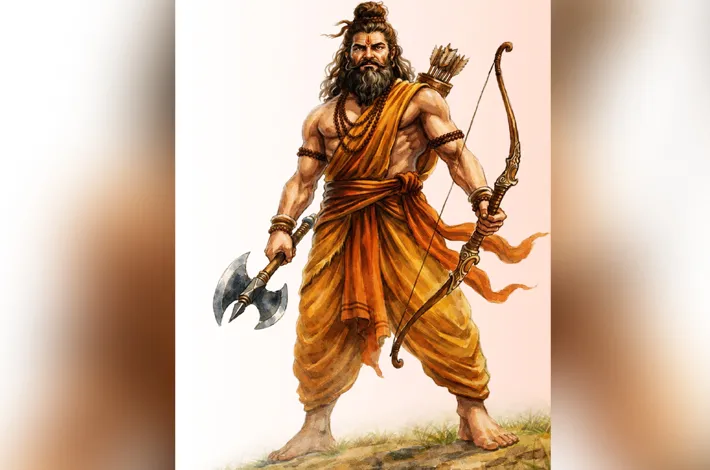
Live streamed killing of activist Bharat Bhushan Tiwari fuels nationwide outrage, caste mobilisation and demand for police accountability
The incident reveals deep fault lines: caste mobilization, anti-incumbency, and skepticism toward “instant justice.”
While some view Tiwari as crossing into vigilantism by brandishing arms and threatening officials, the visual evidence of surrender has shifted narrative toward accountability.
metro india news I patna
This is one encounter that Bihar and the rest of India cannot stop talking about and there is an outright revolt by Brahmins all over the Hindi belt in particular and in the country in general over the ghastly killing of Bharat Bhushan Tiwari by the Bihar police. It all began when on June 17, 28-year-old Bharat Bhushan Tiwari was killed in what police described as an encounter in Bilauti village under Shahpur police station in Bhojpur district, central Bihar. What began as a two-day standoff, live-streamed on Facebook to his 1.6 lakh followers, quickly escalated into a national controversy over alleged fake encounters, police accountability, and the politicization of caste.
Tiwari, from a Brahmin family, had gained local prominence as a social activist highlighting issues like river erosion, flooding, displacement of the poor, and alleged corruption in lower administration. He had no prior criminal record. Police claimed he was armed, mentally unsound, fired at them, and was shot in self-defence while being transported to hospital. His family and villagers alleged he surrendered, dropped his gun, and was shot after agreeing to come peacefully—claims supported by viral videos from his live stream showing him throwing down the weapon and pleading.
The incident, captured in real-time, sparked immediate outrage. Protests erupted in Bhojpur, with his body placed on NH-922, blocking roads. A Mahapanchayat in Bilauti drew caste groups including Brahmin Mahasabha, Parshuram Mahasabha, and Karni Sena, issuing a 15-day ultimatum to the government for accountability.
Brahmin mobilization in the cow belt
The case ignited widespread anger, particularly among Brahmin communities in the ‘Cow Belt’ states of Bihar, Uttar Pradesh, Madhya Pradesh, and Rajasthan. Brahmin organizations framed Tiwari’s death as an attack on an upper-caste voice raising issues for the marginalized, including Dalits and flood victims. Seers and representatives from Bihar and UP Brahmin Sabha joined protests, demanding a high-level judicial probe and murder charges against police.
In Bihar, where caste equations dominate politics, the killing of a Brahmin activist—despite his work for “depressed and oppressed communities”—resonated deeply. Supporters in his native Bhojpur and surrounding areas portrayed him as a saviour fighting systemic injustice. Local narratives compared him to revolutionary icons, with social media and public speeches likening his stand against alleged state overreach to Shaheed Bhagat Singh’s defiance. Posts circulated declaring, “Ek ko Angrezon ne ghera, ek ko apnon ne” (One was surrounded by the British, the other by our own), drawing parallels in courage and sacrifice, though critics noted Bhagat Singh’s ideological depth versus Tiwari’s local activism and armed standoff.
This sentiment spread beyond Bihar. In the Cow Belt, Brahmin forums organized meetings and social media campaigns, expressing fears of “targeted” actions against vocal upper-caste youth under the current dispensation. The uproar highlighted broader debates on encounter culture, often praised in states like Uttar Pradesh but now scrutinized when it allegedly consumed one of its vocal supporters—Tiwari was reportedly a fan of such policies.
System Failure
When justice is not rendered to people on time and swiftly, persons like Bharat Tiwari become heroes. When the state administration under politicians, IAS, IPS officers and other administrators don’t deliver what is expected of them and when administration and judiciary fail, people have no option but reach out to the elements, organisations that render justice to them,. Those stand by people administer justice will become the real heroes.
In fact naxalism in the country took birth for the same very reason. Gen Z in other countries also agitated to change their regimes. A PIL in the Supreme Court sought CBI investigation. Bihar CM ordered a judicial inquiry by a retired High Court judge on June 20, and police filed a murder FIR against an SDPO and SHO while suspending others. Yet, this did little to quell anger, with Mahapanchayats accusing the government of mishandling.
BJP leaders faced criticism for perceived defense or downplaying; some distanced themselves or called it a “terrible mistake,” demanding murder cases. One BJP leader’s remark labeling Tiwari a “criminal” further inflamed debates.
Bihar has a history of controversial encounters, but this case stood out due to live-streaming and Tiwari’s profile. Supporters in oppressed communities in Bhojpur praised his advocacy for rehabilitation and anti-corruption efforts. His mother demanded death penalty for the guilty, while his father questioned how the incident unfolded under watch: “Everyone was watching how he was killed.”
Data on encounters in India shows spikes in certain states, often justified as anti-crime measures but criticized by rights groups for lack of due process (e.g., NHRC guidelines). In Bihar, public trust in police remains low amid caste and political influences. Tiwari’s case amplified calls for police reforms.
The incident reveals deep fault lines: caste mobilization, anti-incumbency, and skepticism toward “instant justice.” While some view Tiwari as crossing into vigilantism by brandishing arms and threatening officials, the visual evidence of surrender has shifted narrative toward accountability.
As the judicial inquiry proceeds, Bharat Tiwari’s death has become a symbol. For Brahmin groups and opposition, he represents resistance against arbitrary power. For supporters in his village and beyond, he is a local saviour akin to Bhagat Singh—fearless against the system. Whether the inquiry delivers justice or becomes another political tool will shape Bihar’s discourse ahead of future elections. The live-streamed tragedy underscores that in India’s polarized landscape, even encounters can boomerang when they touch sensitive caste and governance nerves.
Political Reactions: Opposition Unity Against the Ruling NDA
The controversy provided opposition parties a potent issue against the NDA government in Bihar, led by Chief Minister Samrat Choudhary (JD(U)). Almost every major party except the BJP rallied in support of Tiwari, now widely called a “martyr” in opposition circles.
RJD and allies: Leaders questioned the police version, demanding CBI probe and framing it as state murder.
Prashant Kishor’s Jan Suraj: PK strongly criticized the government, asking if orders came from Patna. His party representatives echoed calls for punishing both triggermen and commanders.
Congress and Left: Joined protests, highlighting human rights concerns and failures in governance.
Even JD(U) national working president Satya Prakash Mishra admitted videos created “doubt” and backed judicial probe with action against named cops.