23 October, 2026 | 2:18 PM


Baba Ramdev’s shift in tone
19-08-2026 12:00:00 AM
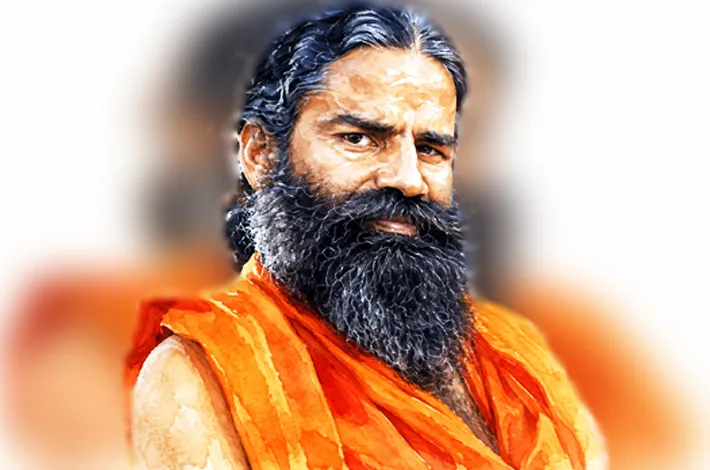
Baba Ramdev’s sharp rebuke of Kangana Ranaut and select Sanatani voices signals a notable shift in tone
Shifting Stance
Criticised Kangana Ranaut: Questioned such rhetoric from a BJP leader.
Defended Gen-Z: Called India’s youth a major national strength and rejected blanket criticism of young protesters.
Criticised Hindutva-linked religious figures: Took aim at Bageshwar Dham’s Dhirendra Krishna Shastri and Jagadguru Rambhadracharya over statements concerning Muslims and Pakistan.
Rejected communal exclusion: Objected to rhetoric suggesting that Muslims should be sent to Pakistan, stressing that no community—Muslim, Hindu, Christian or Sikh—lives under threat in India.
Emphasised inclusive nationalism: Shifted the focus from religious identity and slogans to character, citizenship, discipline and national unity.
metro india news I hyderabad
Yoga guru and Ayurvedic entrepreneur Baba Ramdev, long regarded as a strong supporter of Prime Minister Narendra Modi and the BJP, has adopted a noticeably different public posture in recent days. Once an active participant in the India Against Corruption movement that weakened the UPA government and helped create political space for the BJP, Ramdev is now criticising some of the ruling party’s prominent supporters and religious figures associated with Sanatan Dharma advocacy.
Speaking during a Hindi television programme in Dehradun on Monday, Ramdev focused on the defence of India’s youth, rejection of exclusionary rhetoric and a vision of nationalism based on character rather than slogans.
At the centre of his remarks was his criticism of actor-politician Kangana Ranaut for describing some Gen-Z protesters as the “Generation Gutter”. Ramdev said labelling the country’s youth in such terms was unacceptable and suggested that her party should take note of such statements.
He described Gen-Z as a major national strength and rejected blanket criticism of the generation. Extending his criticism to Bageshwar Dham’s Dhirendra Krishna Shastri and Jagadguru Rambhadracharya, Ramdev accused them of “playing” with Sanatan Dharma and questioned statements suggesting that Muslims should be sent to Pakistan.
Strong Support for Gen-Z
Ramdev said the “real Gen-Z” should possess physical, mental and inner strength, with India reflected in their character. He expressed the hope that Indian youth would become among the world’s finest citizens, supported by a strong economy and high standards of character.
While affirming the constitutional right to protest, he called for discipline and skill rather than chaos or abuse. He also cautioned against excessive Western influence on Indian thinking.
Ramdev further argued that national development cannot depend on one Prime Minister alone and that all 145 crore citizens must contribute. Population control, preservation of Sanatan values and the dangers of politics that deepen religious divisions were also discussed.
Importantly, he asserted that nobody in India lives under threat, whether Muslim, Hindu, Christian or Sikh. His comments placed national strength in individual character, institutional excellence and collective responsibility rather than religious identity.
Questions on Public Healthcare
Ramdev also raised questions about public healthcare standards, asking why government hospitals cannot match the quality of AIIMS if the institution is considered a benchmark. The remarks added a governance dimension to his broader criticism, highlighting shortcomings that transcend party politics.
The comments are significant given Ramdev’s long association with Modi and the BJP. His earlier participation in the anti-corruption movement aligned him with a political narrative that contributed to the UPA’s decline and the BJP’s subsequent rise.
His criticism of Kangana Ranaut, a BJP MP known for her outspoken views, and of religious figures associated with the wider Hindutva ecosystem therefore represents a notable departure. By defending Gen-Z protesters and rejecting calls for the expulsion of any community, Ramdev appears to be advocating a more inclusive conception of national identity.
His emphasis on character rather than slogans, youth rather than generational stereotyping, and national unity rather than communal division suggests a recalibration of his public voice. However, there is no clear evidence yet that he is seeking an alliance with the INDIA bloc or any non-BJP political group. Whether the shift is temporary or represents a sustained repositioning remains uncertain. Its potential impact on politics and elections, including the Uttar Pradesh polls, will depend on whether Ramdev continues to challenge voices within the ideological space he once closely supported.
For now, his remarks signal a willingness to question some of the BJP’s prominent supporters while retaining themes of nationalism, discipline, Sanatan values and collective responsibility.
Against expelling any community from India
He firmly rejected the notion of expelling any community from the country, warning that such ideas would trigger global upheaval. Every person living in India, he insisted, must demonstrate complete devotion to the nation and uphold Rashtra-Dharma. These remarks formed some of the most discussed portions of his address, underscoring a call for national unity over communal division.
On the concept of Hindu Rashtra, Ramdev offered an interpretation that deliberately moved away from religious exclusivity. He described it not as a theocratic state but as a nation of elevated character guided by the ideals of Ramattva, Krishnattva and Shivattva. “India will become a Hindu Rashtra through character, not through slogans,” he declared. The emphasis lay on personal and societal transformation rather than political sloganeering. This framing sought to broaden the idea beyond partisan or sectarian boundaries and to root it in ethical and cultural elevation.